
Pristine white-sand beaches, UNESCO Stone Town history, and rich coral reefs. Plan your customized safari extension package with a local licensed tour operator.
Customize Your Zanzibar HolidayZanzibar is a semi-autonomous island archipelago off the coast of Tanzania, East Africa. It consists of Unguja (commonly called Zanzibar Island) and Pemba Island, and is known for its white-sand beaches, coral reefs, spice farms, and UNESCO-listed Stone Town. It is the most popular beach extension after a Tanzania safari.
A curated guide to the best island excursions and historical points of interest.
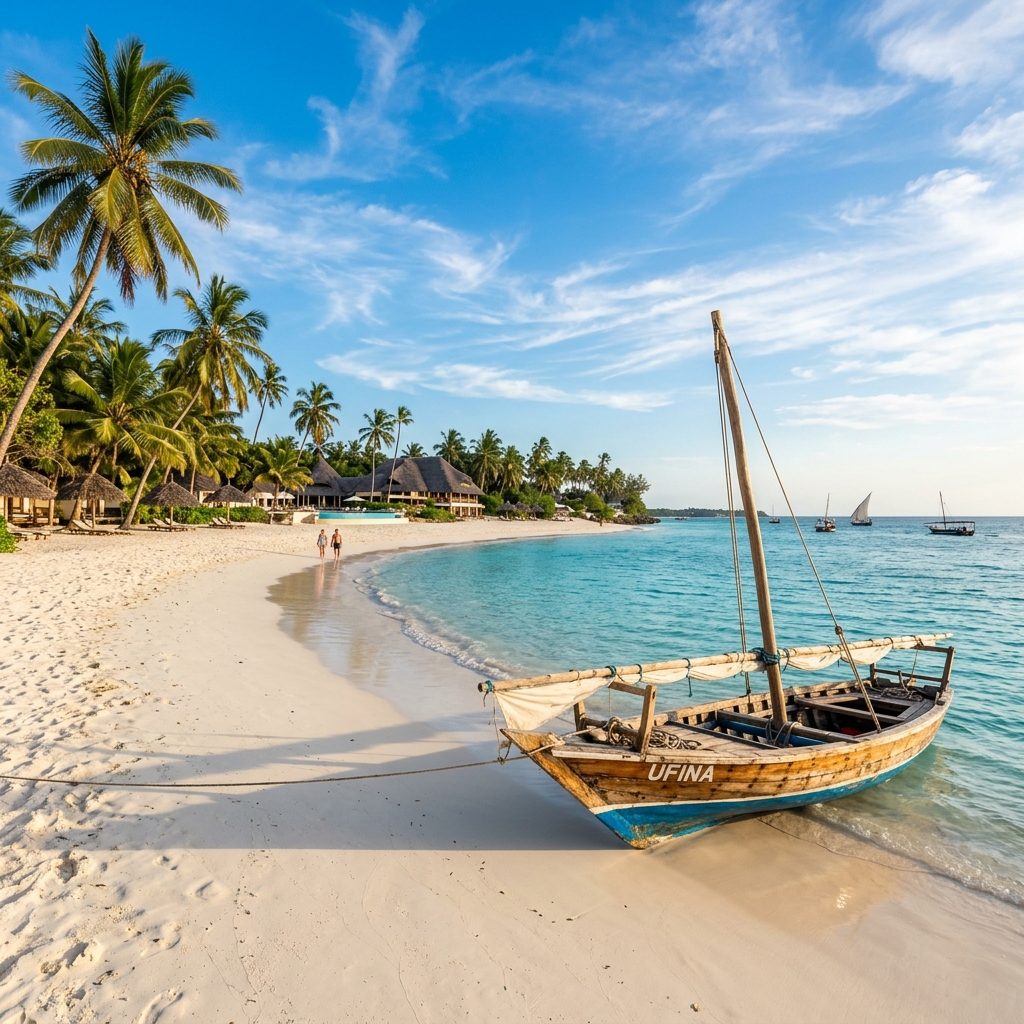
Unwind on coral sand beaches. Compare the lively north coast (Nungwi & Kendwa) with the quiet east coast (Paje & Jambiani) or the wild south coast (Kizimkazi).

Wander through winding corridors of coral-stone buildings, spice markets, slave history memorials, and admire the beautiful hand-carved wooden doors.

Explore agricultural farms to touch, smell, and taste fresh cloves, nutmeg, cinnamon, vanilla, and cardamom. Learn why Zanzibar is known as the "Spice Island."
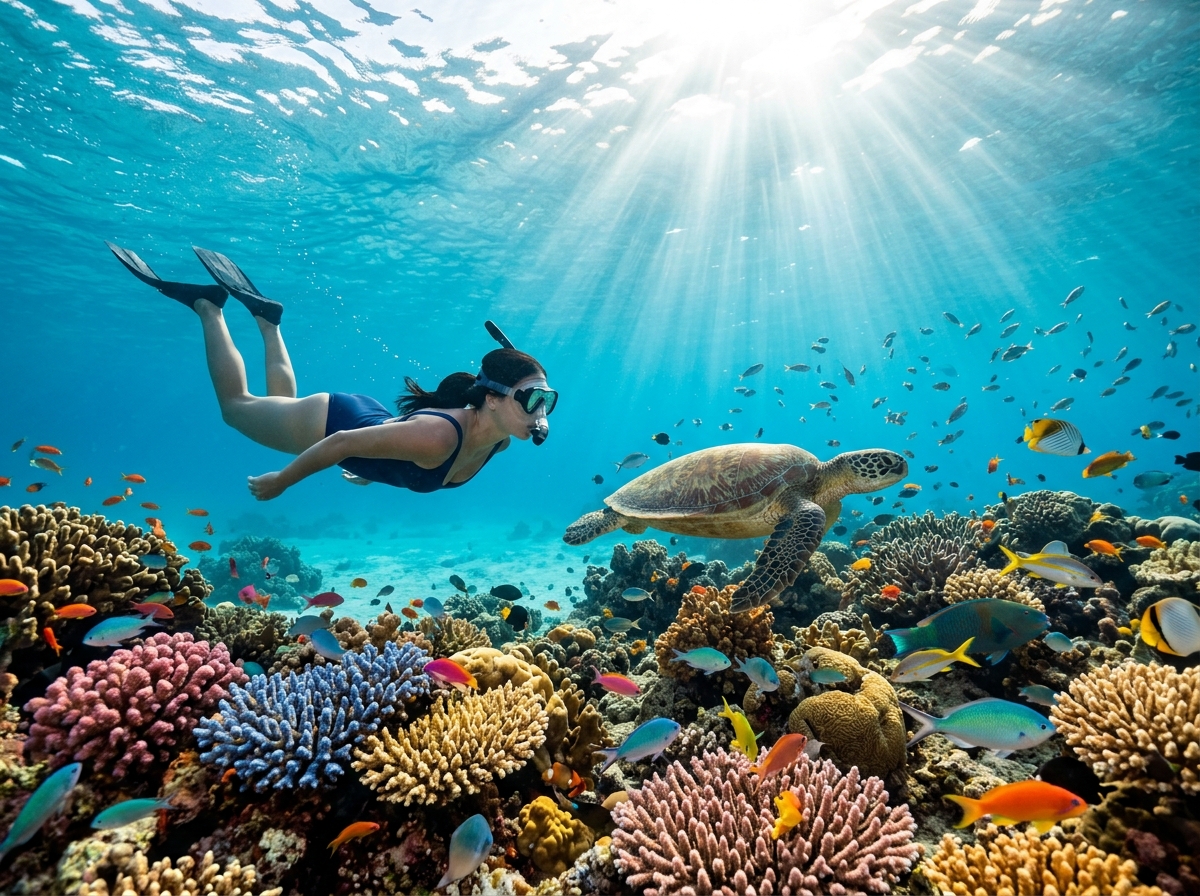
Take a boat trip to Mnemba Atoll marine park. Swim alongside green sea turtles, spinner dolphins, and hundreds of species of colorful reef fish.

Board a hand-crafted wooden Omani sailboat (dhow) in the late afternoon. Enjoy live Swahili music, fresh seafood snacks, and drinks as the sun drops.
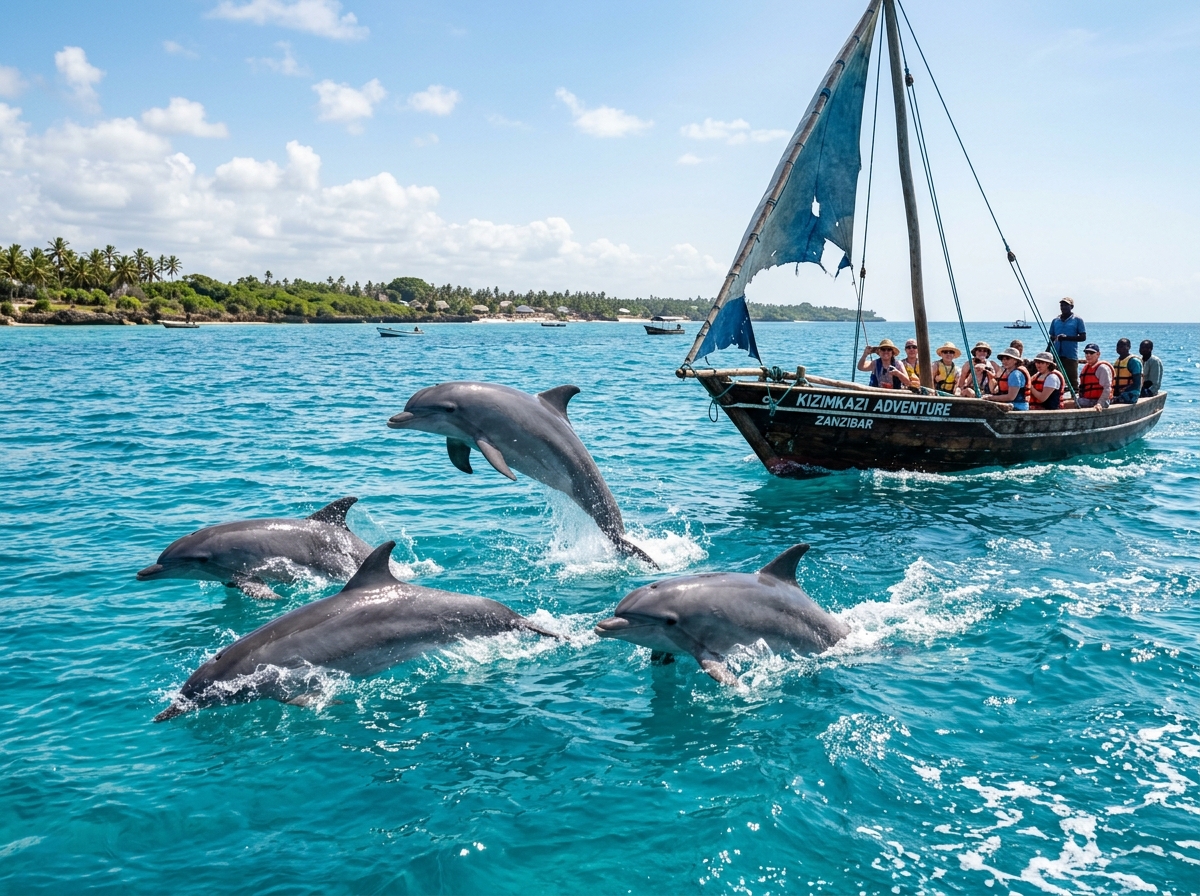
Travel to the south-coast fishing village of Kizimkazi for early morning boat excursions to watch schools of bottle-nosed and humpback dolphins swimming in the bay.
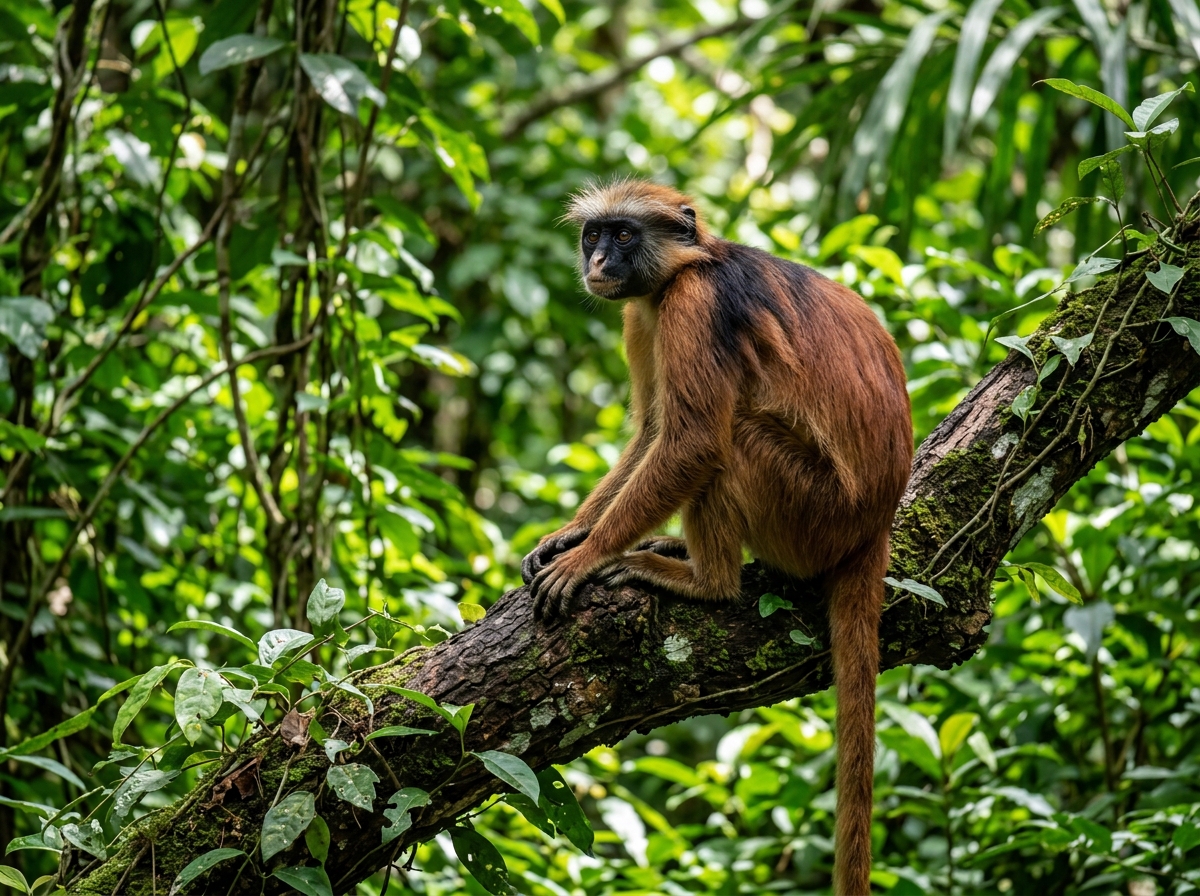
Trek the nature trails of Zanzibar's only national park to encounter the rare, endemic Red Colobus monkeys jumping between branches, then walk the mahogany mangrove boardwalk.
Understanding the unique characteristics of each coastline before booking.
Understanding Zanzibar's seasons to ensure the perfect tropical escape.
This is the absolute best window to visit. High temperatures average 25°C to 28°C with cool evening breezes and almost zero rainfall. Ideal for beach relaxing and combining with a mainland safari.
Perfect for diving and snorkeling. Temperatures rise to 30°C–33°C, with calm seas and excellent underwater visibility. High humidity is cooled by sea breezes.
Curated itineraries featuring transfers, tours, and handpicked boutique accommodations.
$800
Pristine resort stay on the north coast, transfers, Stone Town tour, and a spice farm excursion. Ideal post-safari relaxation.
View Details & Book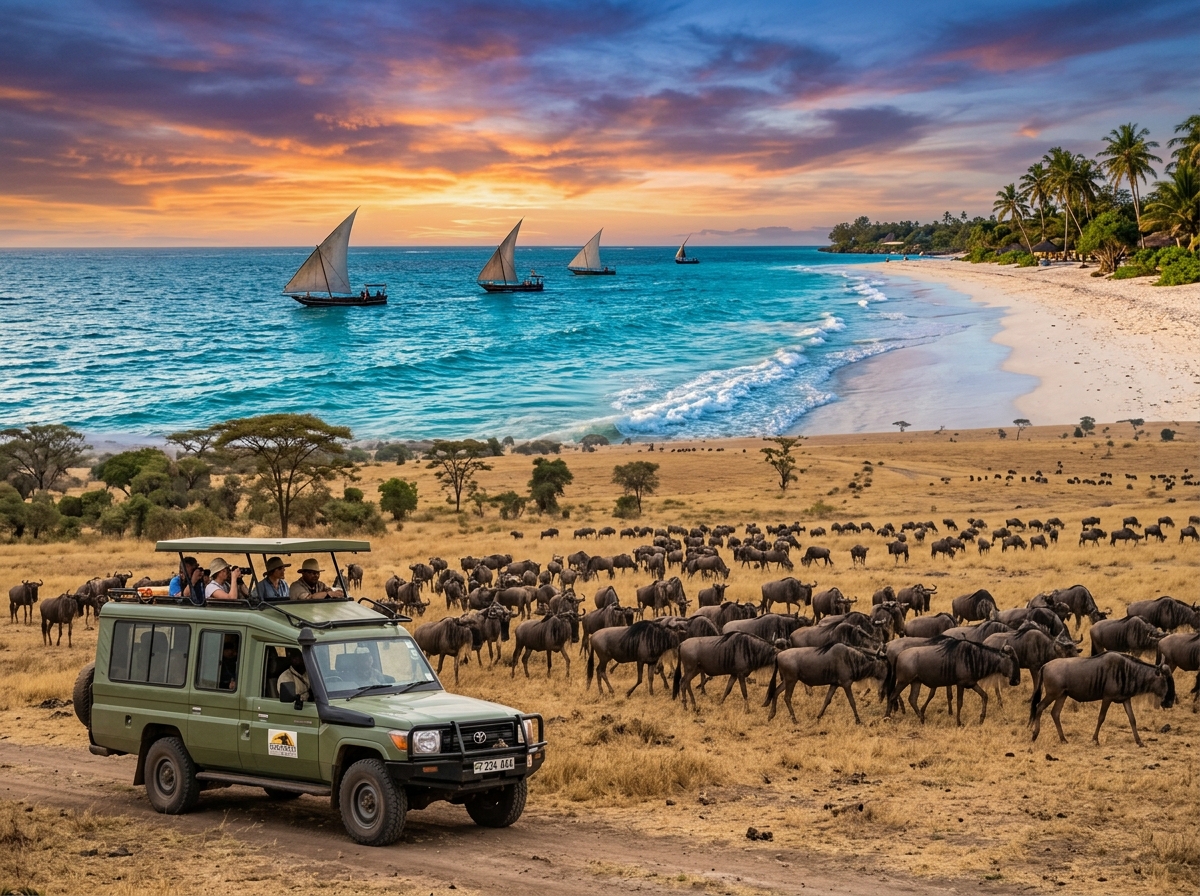 $3,500
7 days of private game drive safaris in Serengeti and Ngorongoro, followed by 5 days of beach relaxation in Zanzibar. Flight included.
View Details & Book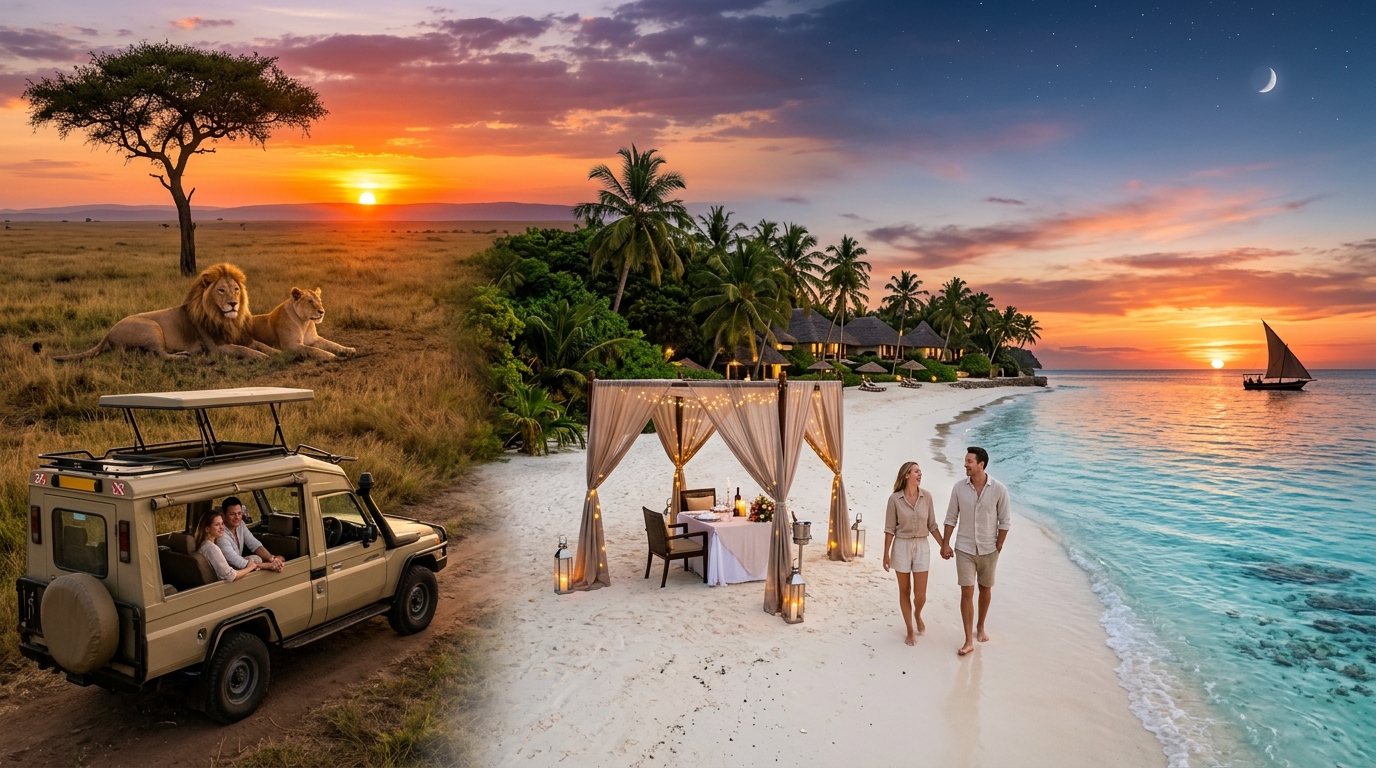 $1,950
Private beach villa with plunge pool, candlelit beachside dinners, private dhow boat cruise, and couples spa sessions.
View Details & Book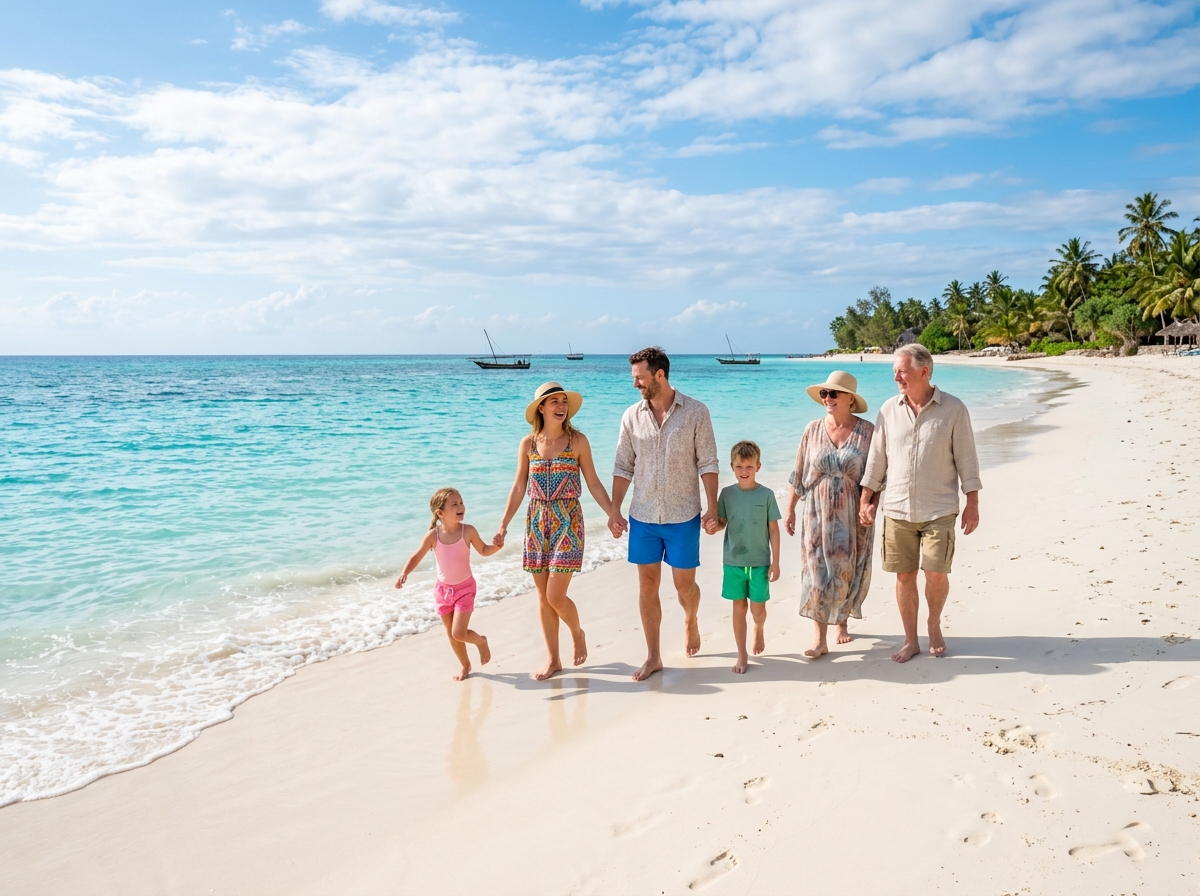 $2,400
Interconnected beach suites, dolphin spotting boat trip, spice farm scavenger hunt, and snorkeling at Mnemba Atoll.
View Details & BookRecommended hotel properties selected for their local design and service.
5-star private beach villa properties featuring individual plunge pools, butler service, and private dining pavilions. (e.g. Zanzibar Palace Resort, Melia Zanzibar, Baraza Resort).
Excellent properties built with local natural materials, operating completely off solar energy and supporting local community water projects. (e.g. The Palms, Sandies Baobab Beach).
Historic converted merchant homes inside the old city gates, featuring ornate Arabian furnishings, inner courtyard pools, and rooftops. (e.g. Emerson Spice, Park Hyatt Zanzibar).
Common questions answered by our local travel directors.
Zanzibar is part of the United Republic of Tanzania. If you need a visa for mainland Tanzania, the same visa covers Zanzibar. You can obtain a tourist visa on arrival at Zanzibar International Airport for USD 50-100 (depending on nationality) or apply for an e-visa online prior to travel.
Yes, Zanzibar is generally very safe for tourists. Crime rates are low, especially in resort areas. However, standard travel precautions apply: use in-room hotel safes, avoid walking on dark, unlit beaches at night, and always use registered taxis or hotel transport.
The best time to visit is during the dry seasons: June to October (cooler, breezy weather, great for wildlife and beaches) and January to March (warm, sunny, perfect for diving). March to May is the main rainy season, while November to December brings short, light rains.
Yes! Safari and Zanzibar beach combos are our most popular itineraries. You can spend 5-7 days on a private game-viewing safari in the Serengeti and Ngorongoro, then take a short 2-hour flight directly from a bush airstrip to Zanzibar for beachside relaxation.
Malaria is present in Zanzibar, and preventative antimalarial medication is highly recommended. A Yellow Fever vaccination certificate is required if you are entering Zanzibar from a country with risk of Yellow Fever transmission. Please check with your travel clinic or doctor before departure.
Zanzibar is a culturally conservative, predominantly Muslim island. While swimwear is perfectly fine within resort grounds, you should dress respectfully when visiting Stone Town, local villages, or markets. Both men and women should cover their shoulders and knees in public areas.
You can fly directly into Abeid Amani Karume International Airport (ZNZ) via major airlines, or take a domestic flight from Dar es Salaam or Kilimanjaro. Alternatively, a high-speed passenger ferry runs daily between Dar es Salaam and Zanzibar port (taking approximately 2 hours).
The Tanzanian Shilling (TZS) is the official currency. However, US Dollars (USD) are widely accepted by hotels, restaurants, and tour operators. Ensure your USD bills are in good condition and dated 2013 or newer, as older bills are not accepted.
Stone Town is a UNESCO World Heritage Site famous for its narrow winding alleyways, historic Swahili-Arab architecture, ornate carved wooden doors, bustling spice markets, and historic sites like the House of Wonders, Old Fort, and the former slave market site.
Yes, Zanzibar experiences significant tides, especially on the East Coast (Paje, Jambiani). During low tide, the ocean recedes by hundreds of meters, exposing the sandy flats and coral reefs—ideal for reef walks but not swimming. The North Coast (Nungwi, Kendwa) is mostly tide-free and offers all-day swimming.