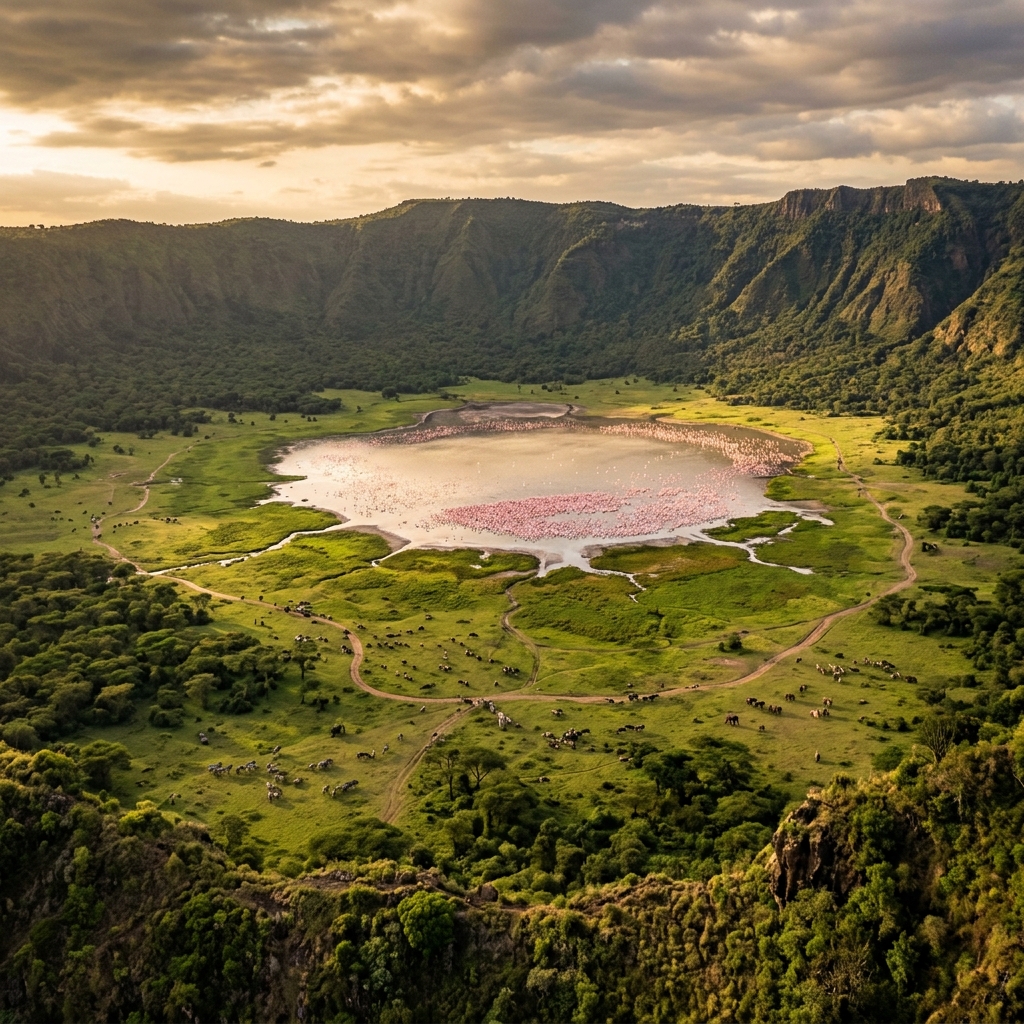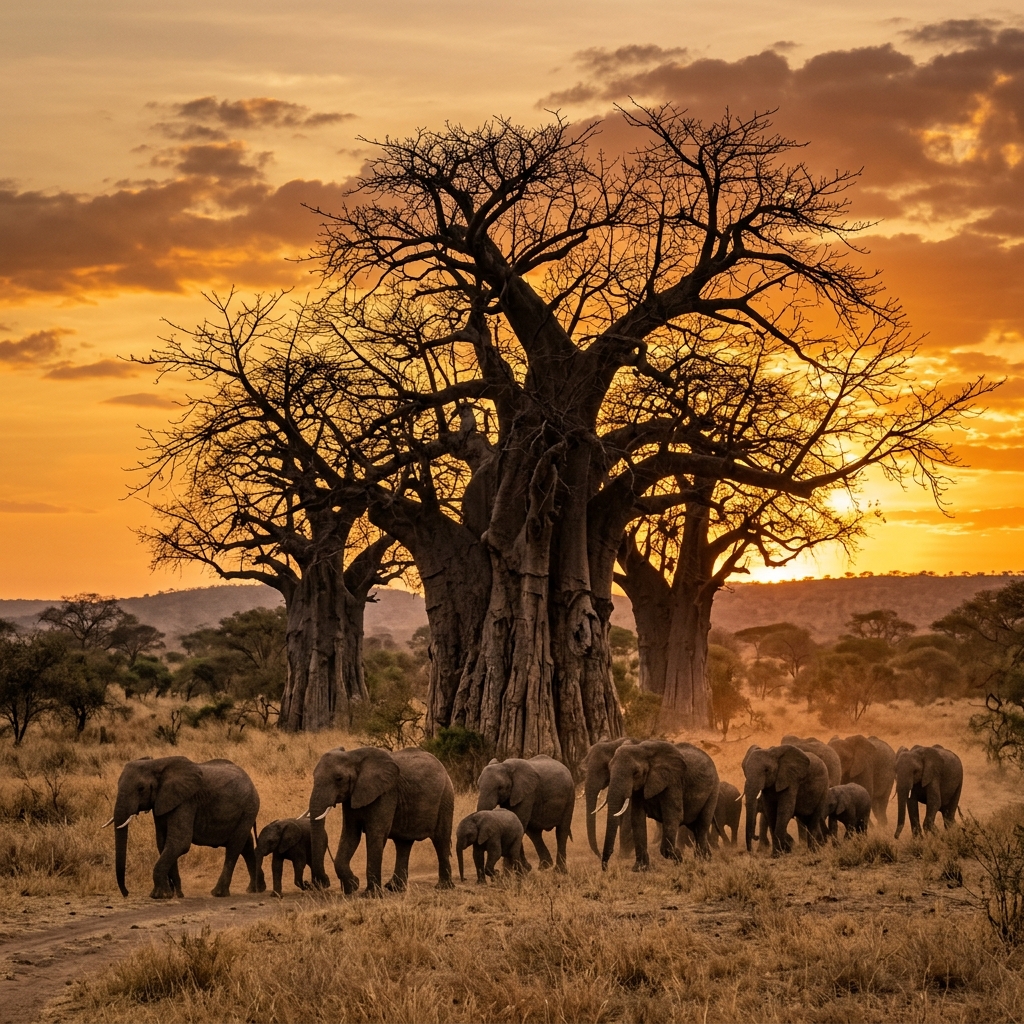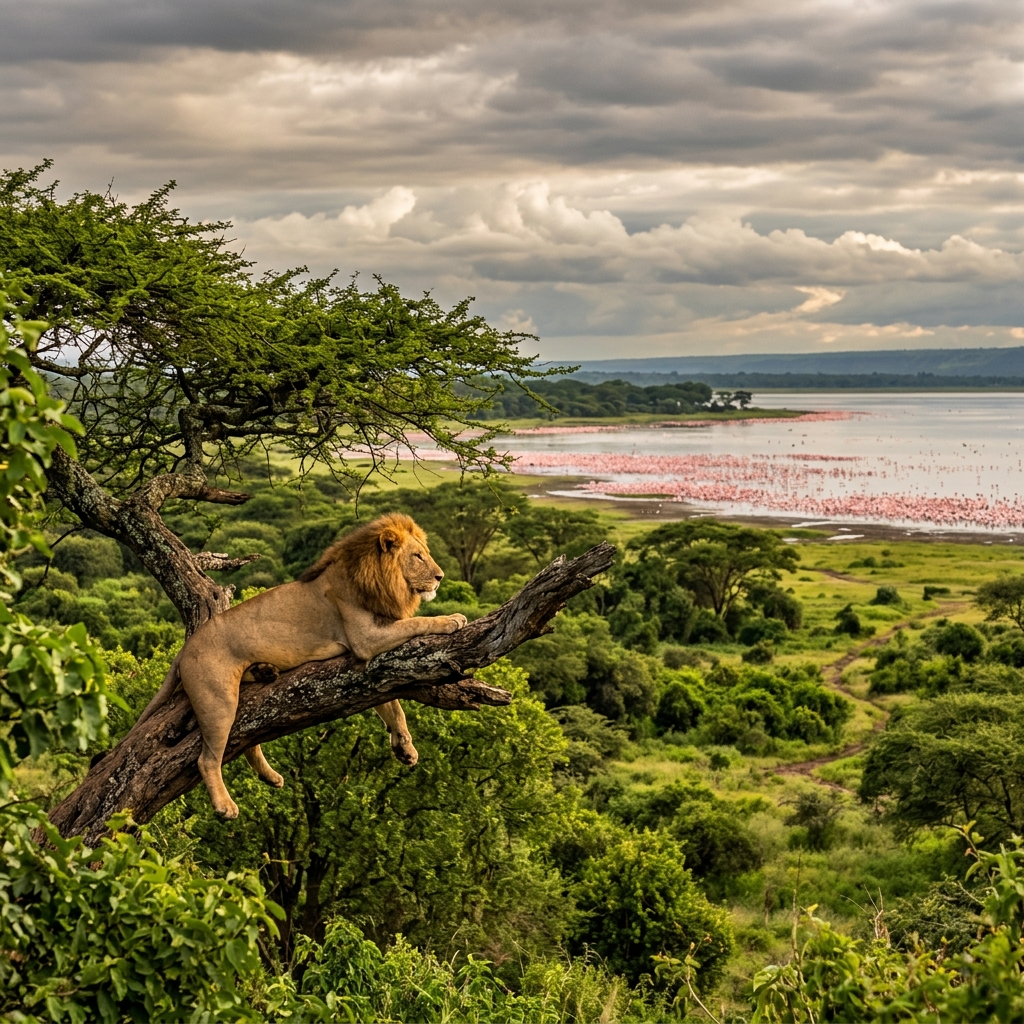
Ruaha National Park is a rugged, untamed wilderness in southern Tanzania. Famed for its dry, baobab-studded landscapes and rocky gorges, it represents a raw and exclusive safari experience far from the tourist crowds of the north. The park is named after the Great Ruaha River, which carves through its eastern border.
Ruaha is home to one of the largest elephant populations in East Africa. It is also famous for its massive lion prides, which are known to hunt large prey like giraffes and buffaloes. Ruaha is a unique ecological crossroads where East African and Southern African species overlap, allowing you to see greater and lesser kudu, sable and roan antelopes, cheetahs, leopards, and endangered wild dogs.
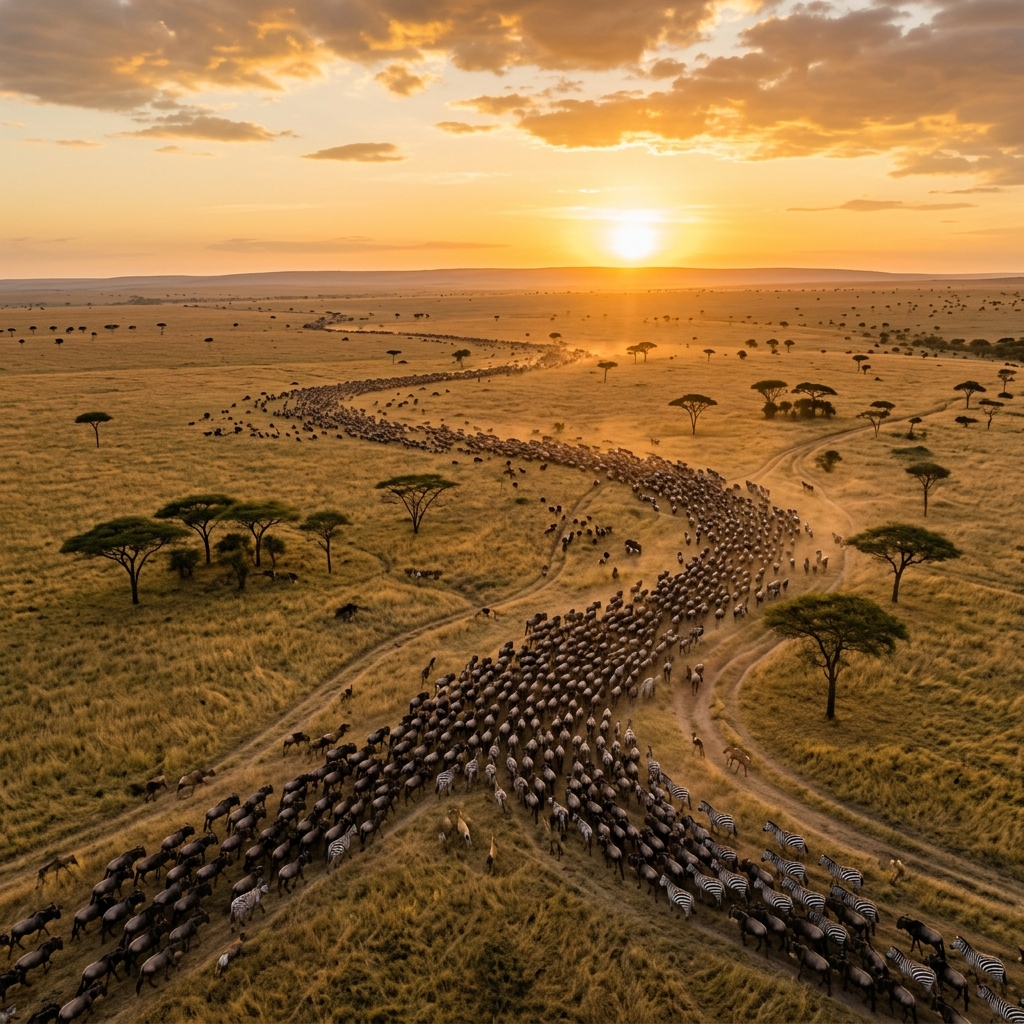
No major migration, but wildlife concentrates heavily along the Great Ruaha River during the dry season as other water sources dry up.
The seasonal cycles significantly affect animal movements and foliage visibility. Here is a month-by-month guide:
Peak dry season. Water is scarce, drawing huge concentrations of game to the riverbanks.
Green season. The landscape explodes into leaf, and birding is spectacular with over 570 species.
The main game-viewing area, teeming with hippos, crocodiles, and watering herds.
A sandy riverbed that dry-season predators use as a corridor.
Remote southern section offering unmatched exclusivity.
June to October (Dry season is ideal for game viewing along the Great Ruaha River).
None
Southern Tanzania
Fly by charter from Dar es Salaam (1.5 hours) or Arusha (2 hours) to Msembe or Jongomeru Airstrip.
Vetted recommendations from local experts, catering to range of luxury preferences.
A stunning luxury lodge built into rocky granite kopjes, offering an infinity pool and spa.
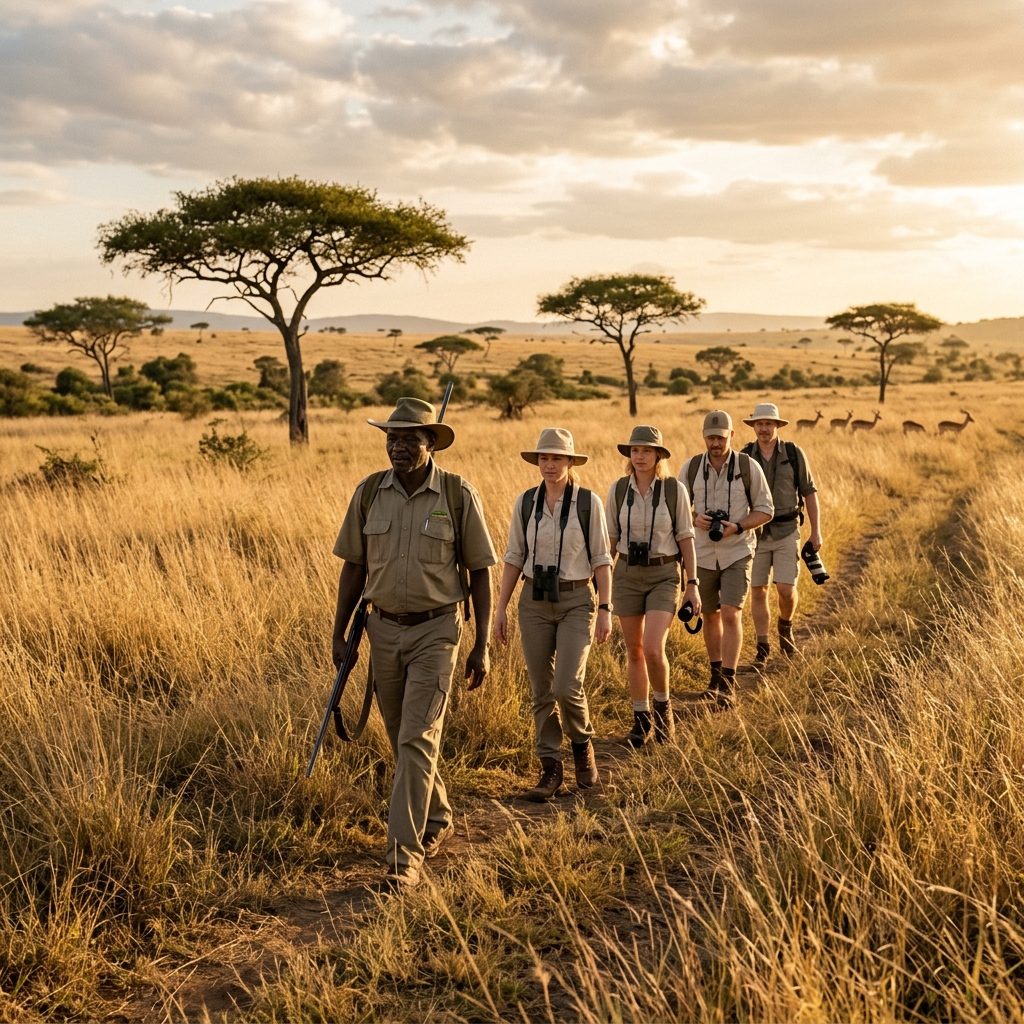
Located in the remote south, offering total isolation and walking safaris.
A high-end adventure camp focusing on expert guiding and walking safaris.
Built along the banks of the Great Ruaha River, offering excellent views from stone chalets.