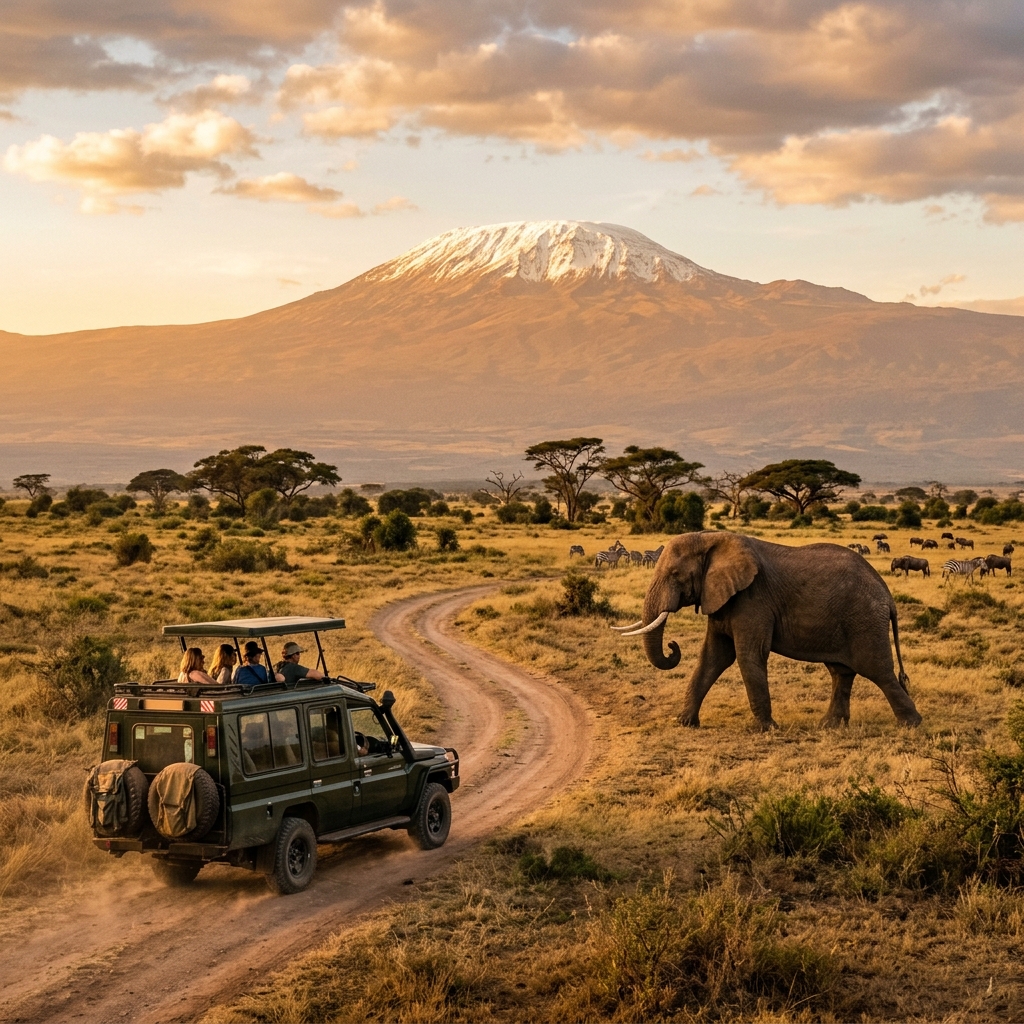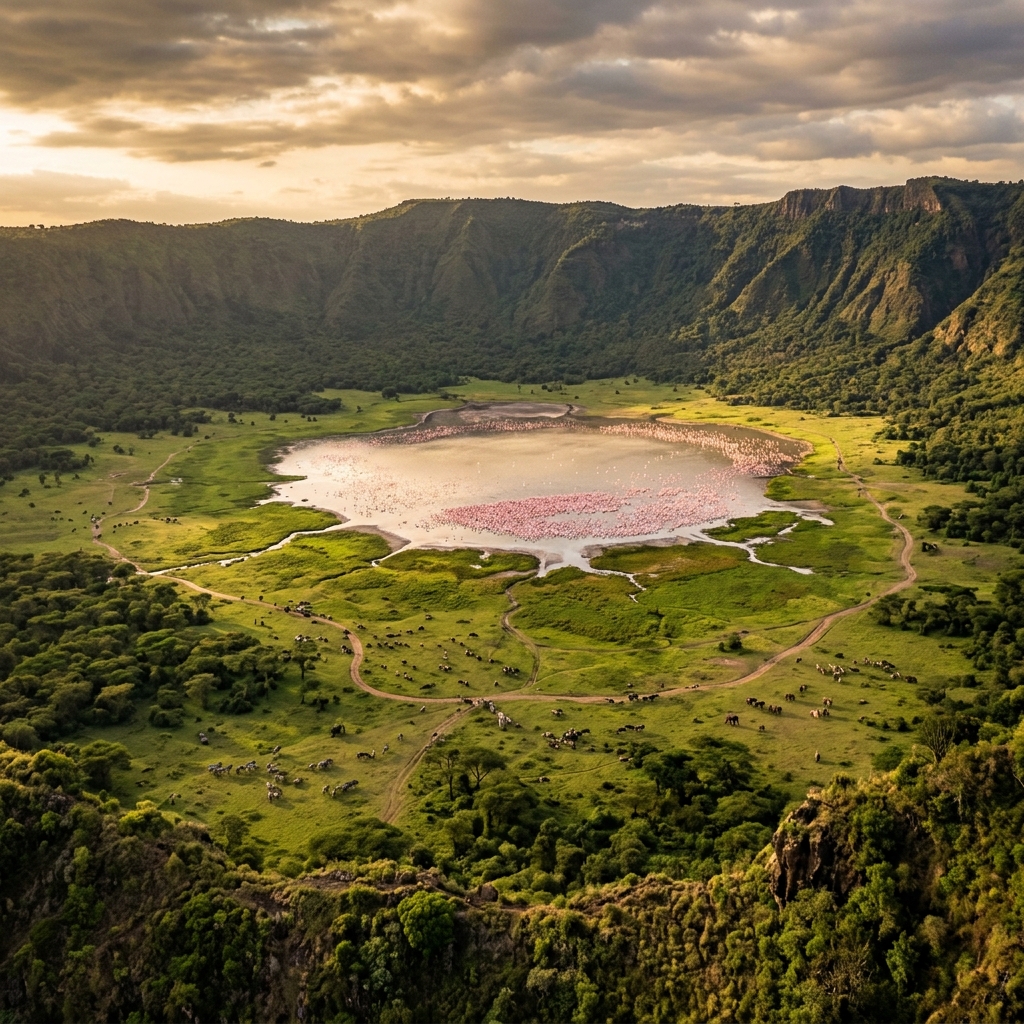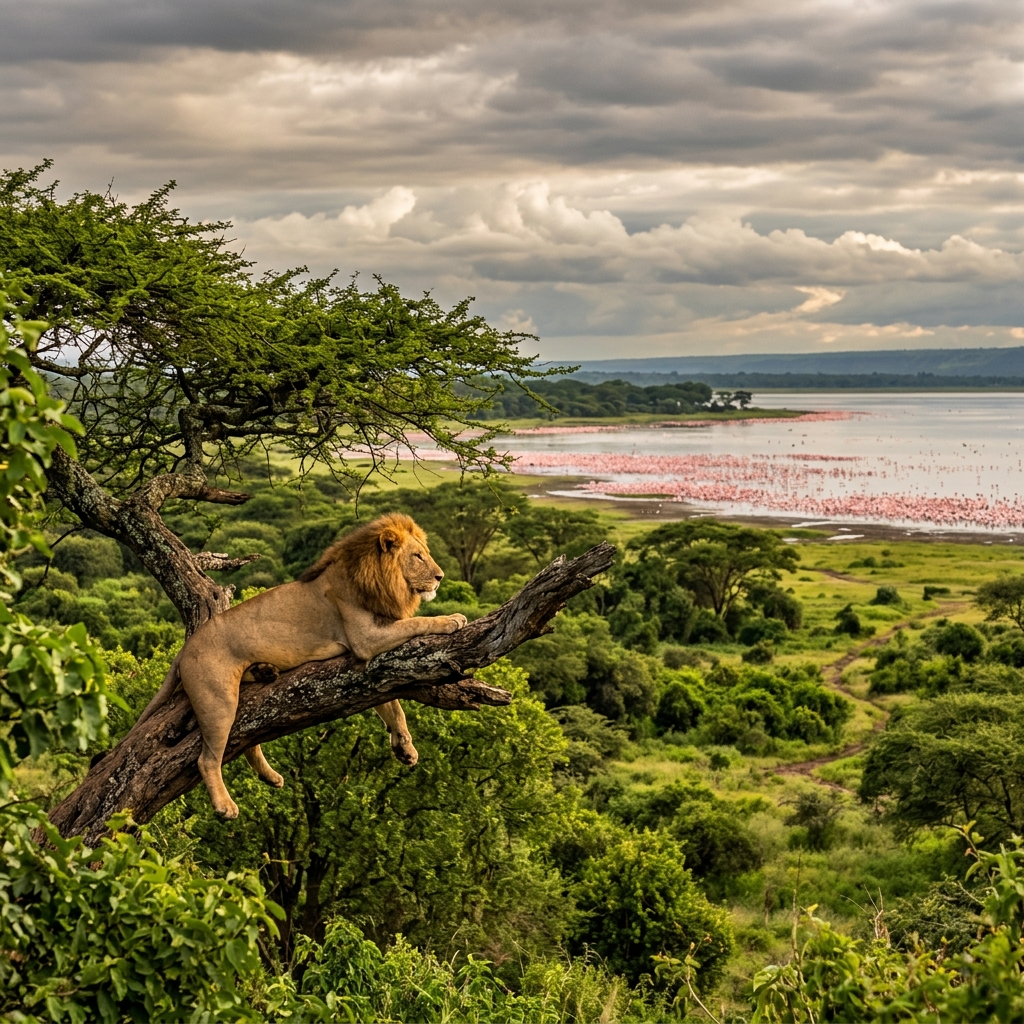
Stretching across 14,763 square kilometers of endless undulating plains, Serengeti National Park is the crown jewel of Tanzania's safari offerings. Located in northern Tanzania, bordering Kenya's Masai Mara, this UNESCO World Heritage Site is home to the largest concentration of plains game in Africa. Founded in 1951, its unique ecosystem features open grassland savannahs, granite kopjes, and riverine forests, creating an environment that supports millions of animals.
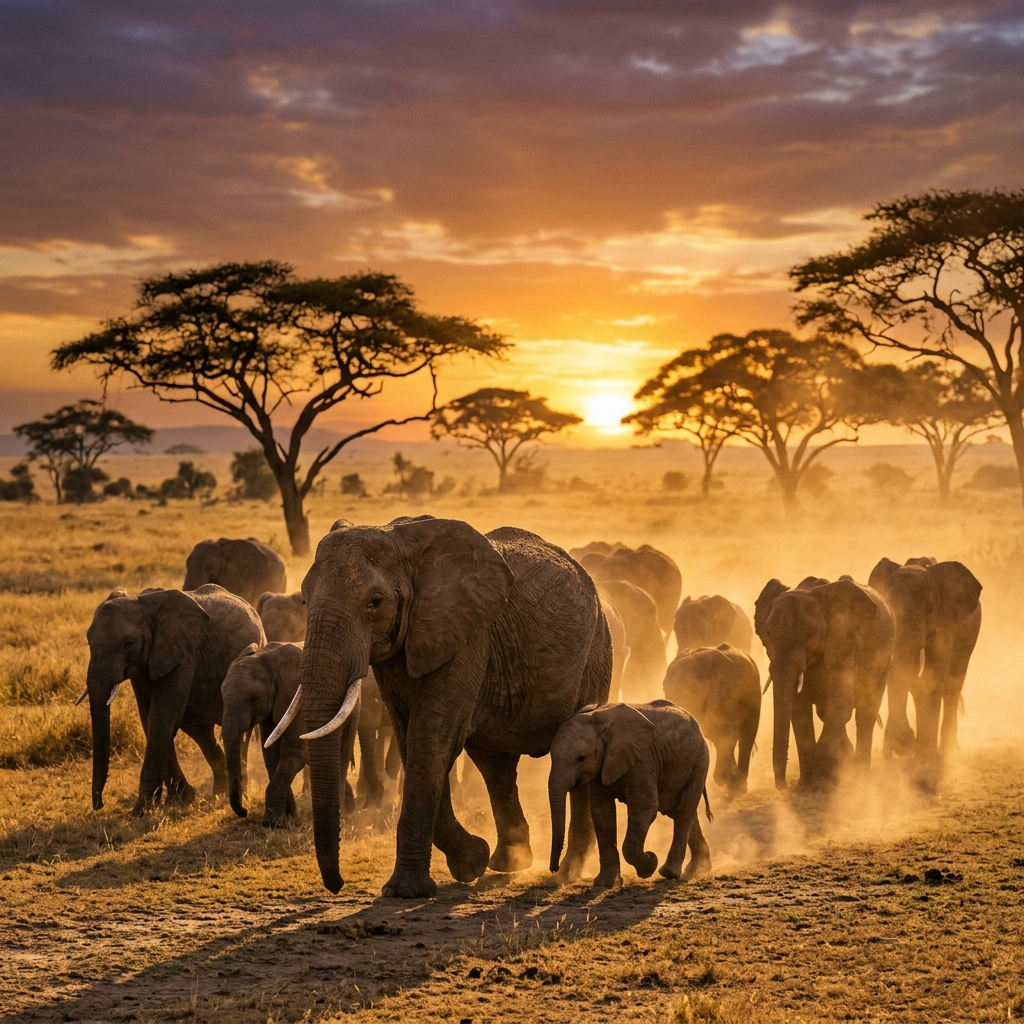
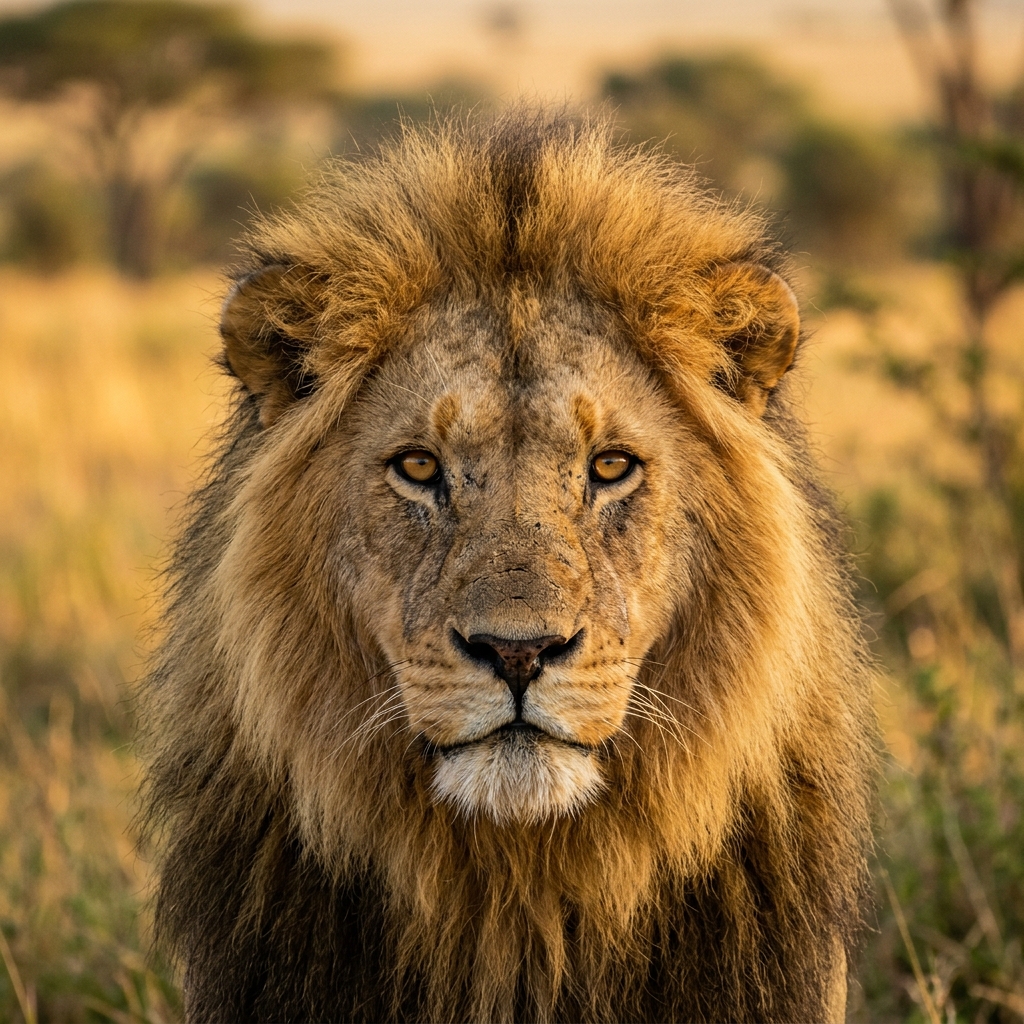
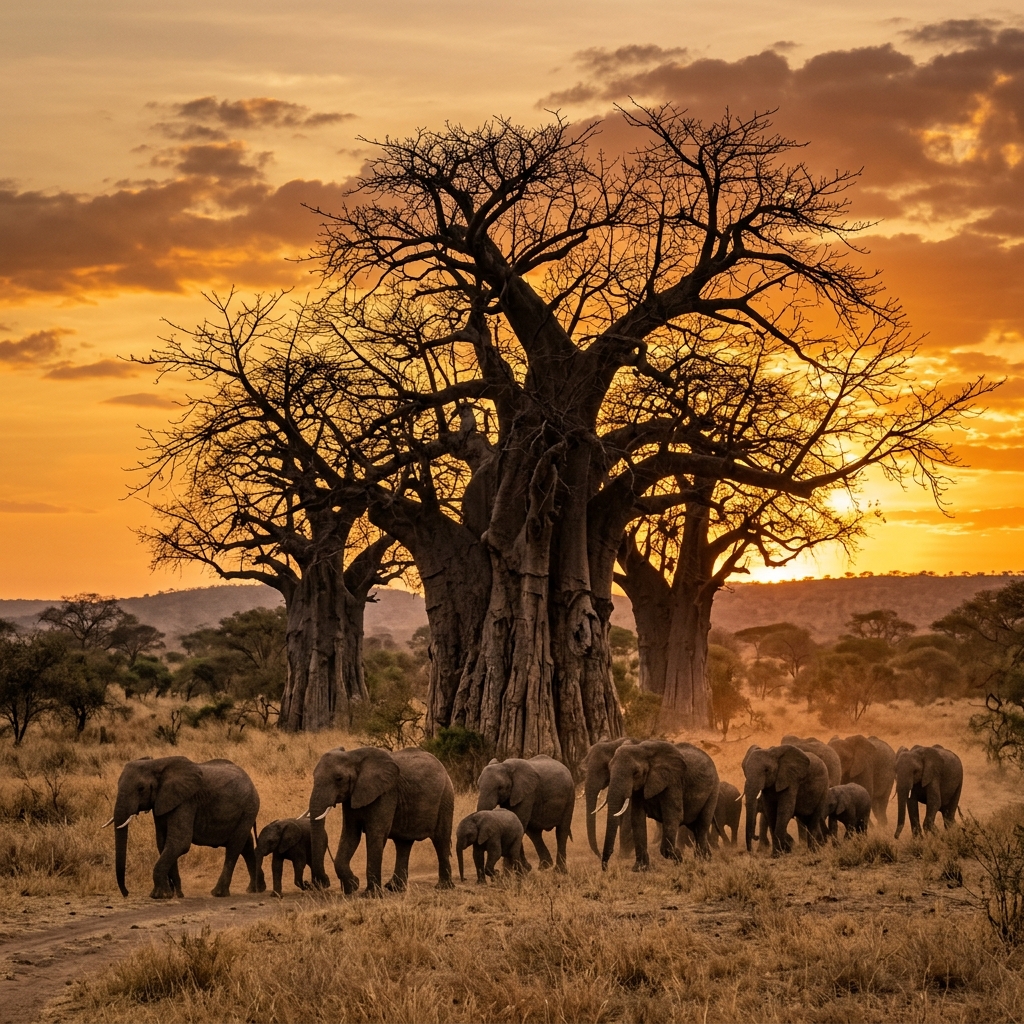
The Serengeti is home to the legendary Big Five: lions (abundant in prides of up to 40), leopards (often seen resting in sausage trees), elephants (large breeding herds), buffaloes (numbering in the thousands), and the elusive black rhinoceros (found mostly in the Moru Kopjes region). In addition to the Big Five, visitors can expect to see large populations of cheetahs, spotted hyenas, giraffes, zebras, elands, and over 500 species of birds including secretary birds and ostriches.
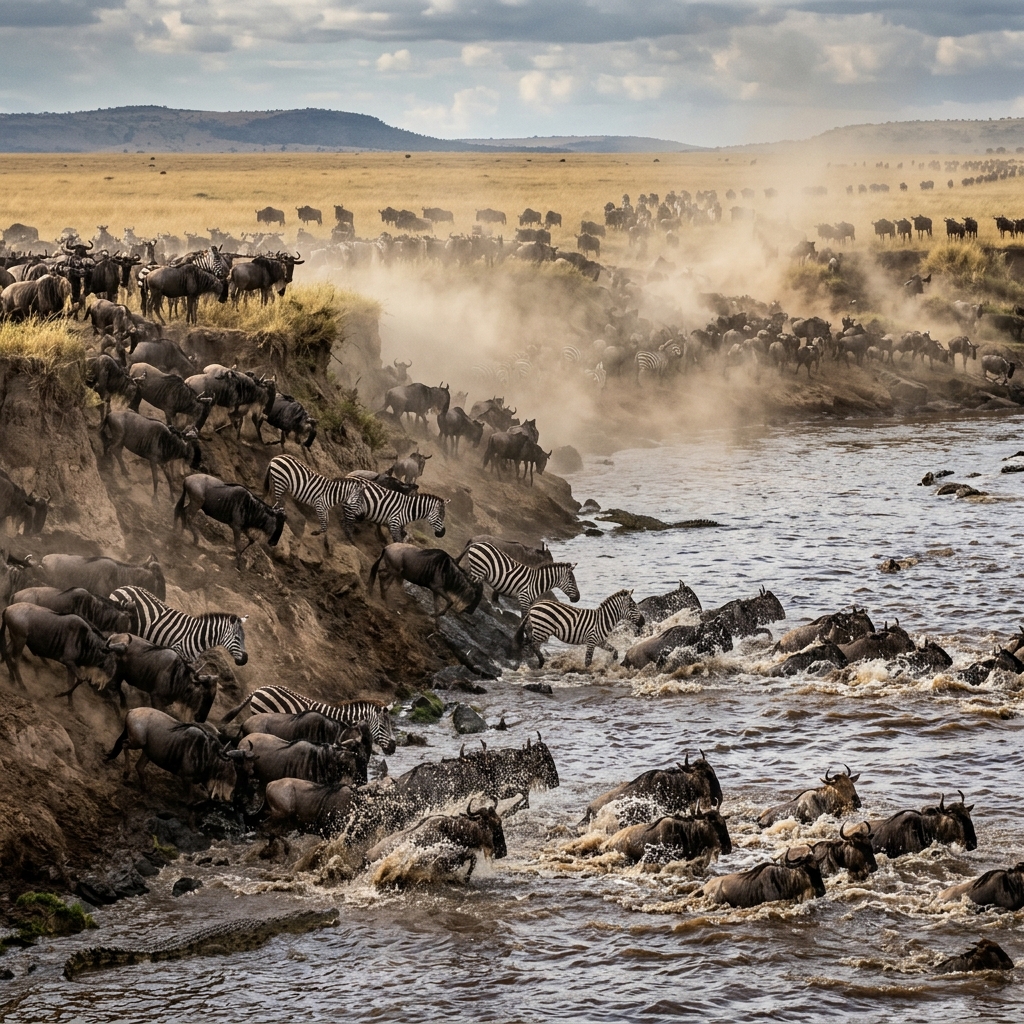
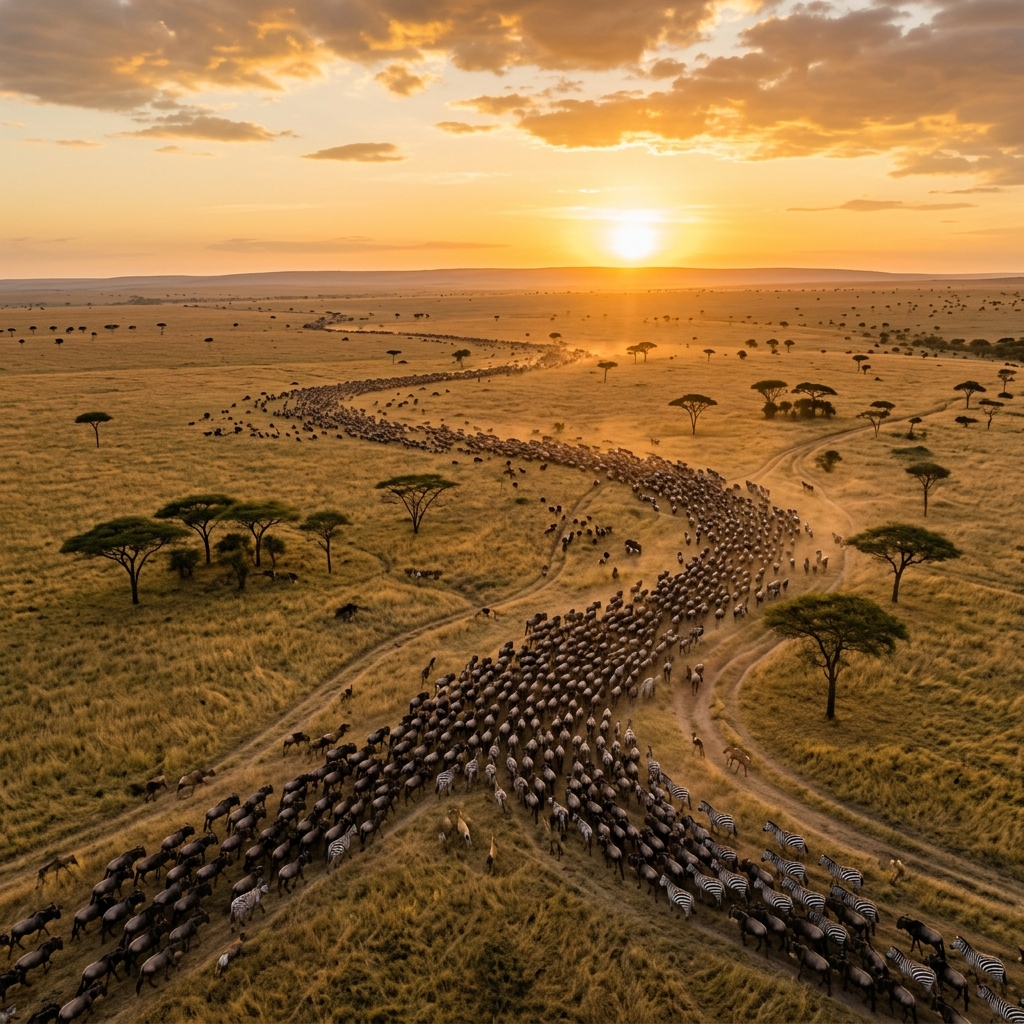
The Great Wildebeest Migration is the defining feature of the Serengeti. Over 1.5 million wildebeest, 200,000 zebras, and 350,000 gazelles travel in a continuous 1,800-mile loop between the Serengeti and the Masai Mara. The cycle is driven by rainfall patterns and the availability of fresh grass. The most dramatic phase occurs between July and October in the Northern Serengeti (Kogatende), where herds risk their lives crossing the crocodile-infested Mara River. From January to March, the migration settles in the Southern plains for the calving season, where up to 8,000 calves are born daily.
The seasonal cycles significantly affect animal movements and foliage visibility. Here is a month-by-month guide:
Calving Season in the Southern Serengeti. Grasses are short and green, attracting predators like cheetahs, lions, and hyenas.
The Green Season / Long Rains. The migration moves northwest towards the Western Corridor. Fewer tourists and lush, beautiful photography conditions.
The herds gather in the Western Corridor, preparing to cross the Grumeti River. The weather is dry and cooling.
Peak dry season. The migration crosses the Mara River in the North. Game viewing is at its absolute peak throughout the park.
Short rains. The migration returns south through the eastern limits of the park to the southern plains.
The heart of the Serengeti, famed for its year-round big cat sightings, resident wildlife, and the Seronera River valley.
Stretches towards Lake Victoria, featuring the Grumeti River where the migration passes through from May to July.
A rugged, scenic area near the Mara River. The primary hub for the dramatic river crossings from July to October.
Vast, treeless plains extending into the Ngorongoro Conservation Area, host to the migration calving season from January to March.
June to October (dry season, best for game drives and witnessing the Great Migration river crossings).
UNESCO World Heritage Site (Inscribed 1981)
Northern Tanzania
You can fly from Arusha Airport (ARK) or Kilimanjaro International Airport (JRO) to one of the Serengeti's airstrips (Seronera, Kogatende, Grumeti, or Kusini) in about 1 to 2 hours. Alternatively, you can take a scenic 7-to-8-hour drive from Arusha in a 4x4 safari vehicle, stopping at Lake Manyara or Ngorongoro Crater along the way.
Vetted recommendations from local experts, catering to range of luxury preferences.
Waterhole viewing deck, infinity pool overlooking plains, elevated walkways.
Tracks the migration, offering the ultimate luxury-under-canvas experience.
Tanzania's only all-female run safari camp, located in the wildlife-rich Central Seronera.
Perched on a ridge with panoramic views and easy access to Central Serengeti.
Browse our expert-crafted private safari itineraries visiting Serengeti National Park.