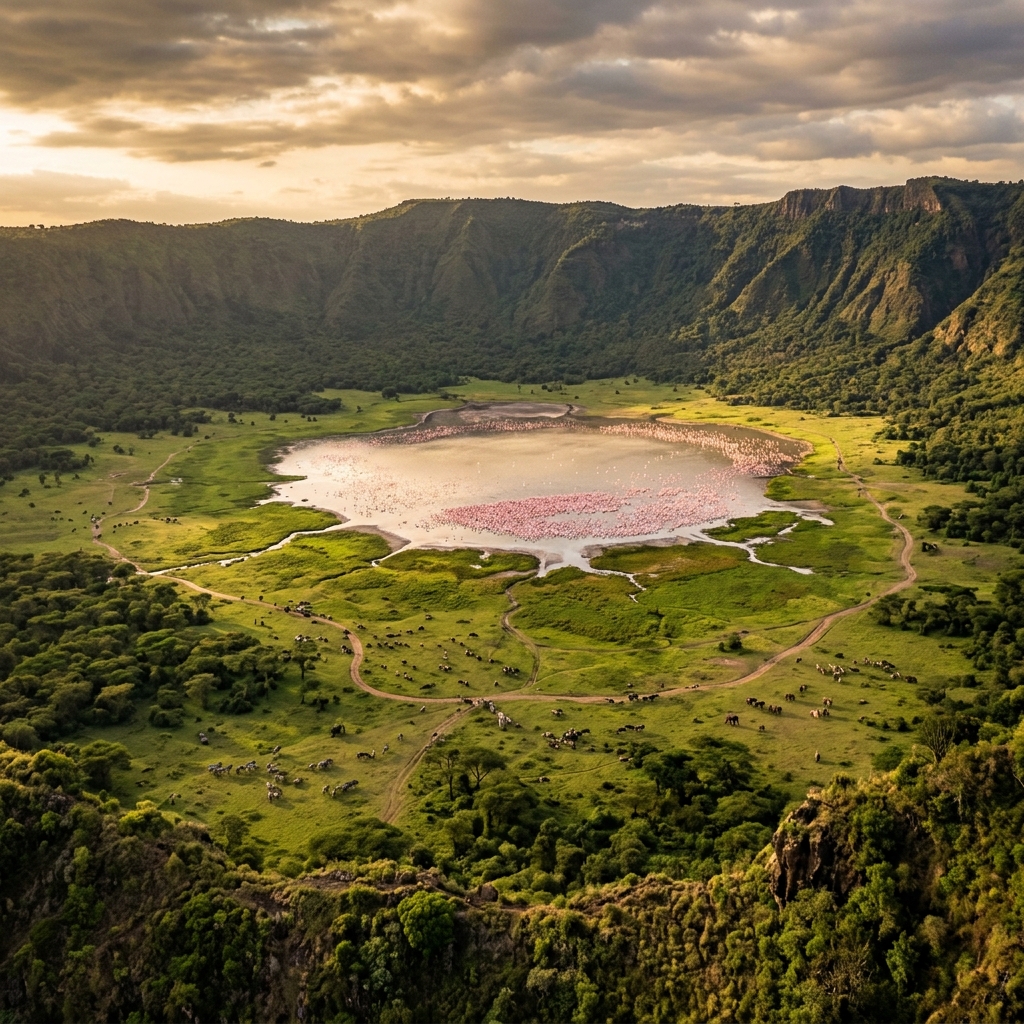
The Ngorongoro Crater is the world's largest intact, unflooded volcanic caldera. Located within the Ngorongoro Conservation Area in northern Tanzania, this spectacular geographic marvel formed when a massive volcano exploded and collapsed on itself about two to three million years ago. Today, its 600-meter-deep walls shelter a self-sustaining ecosystem of grasslands, swamps, soda lakes, and acacia forests.
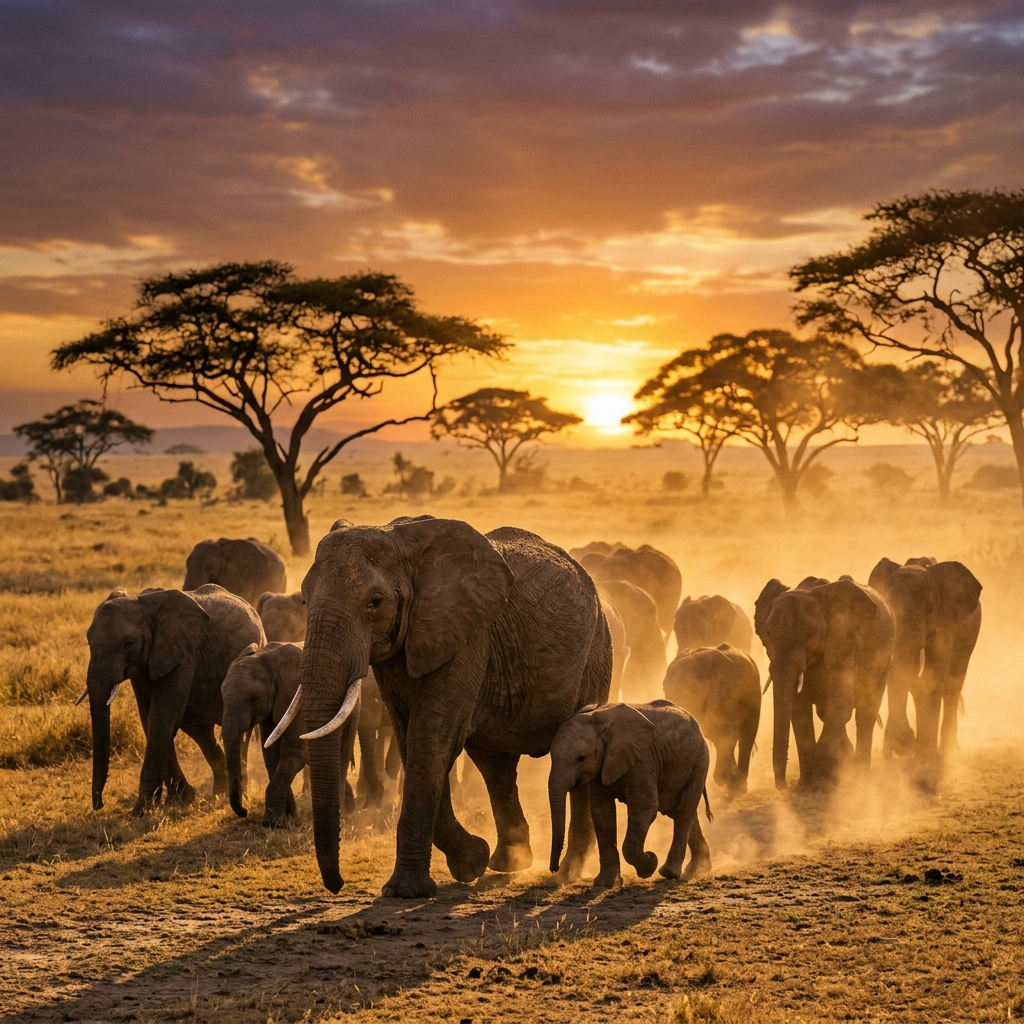
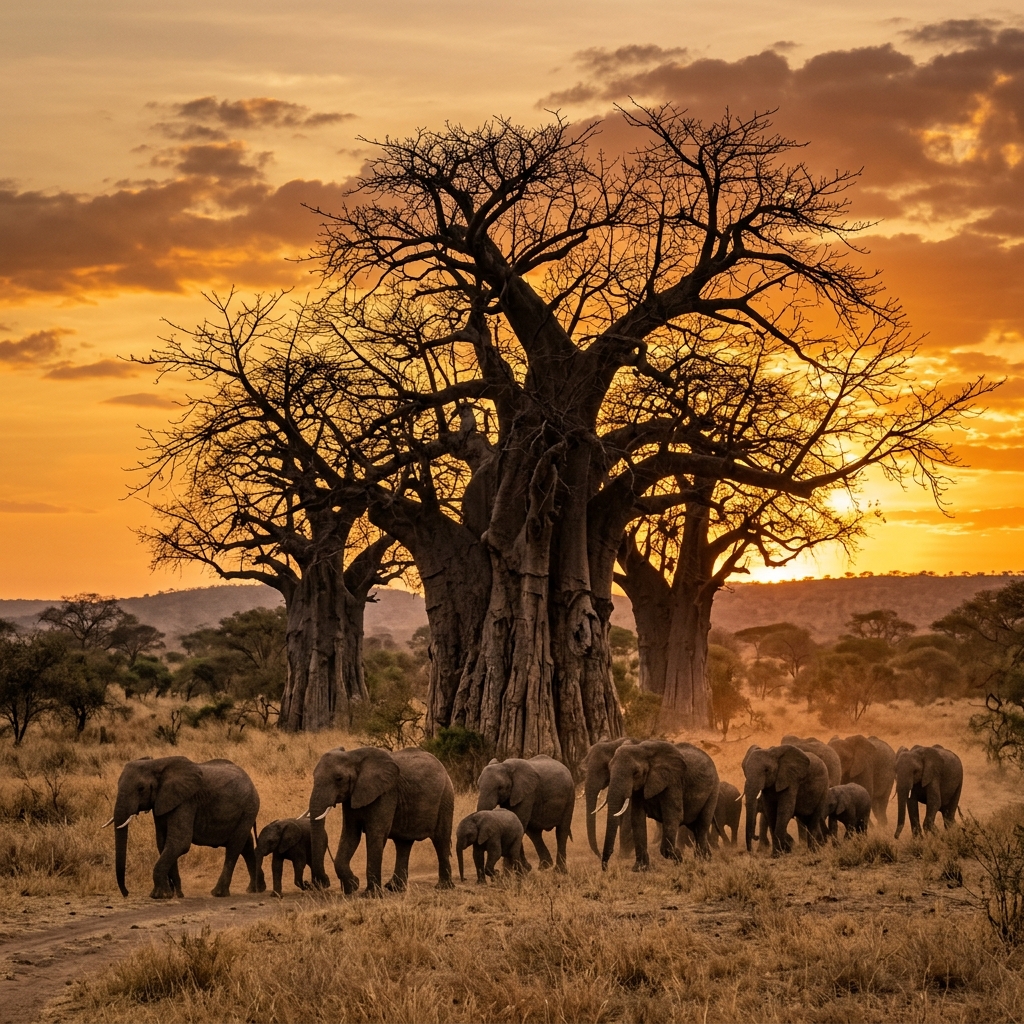
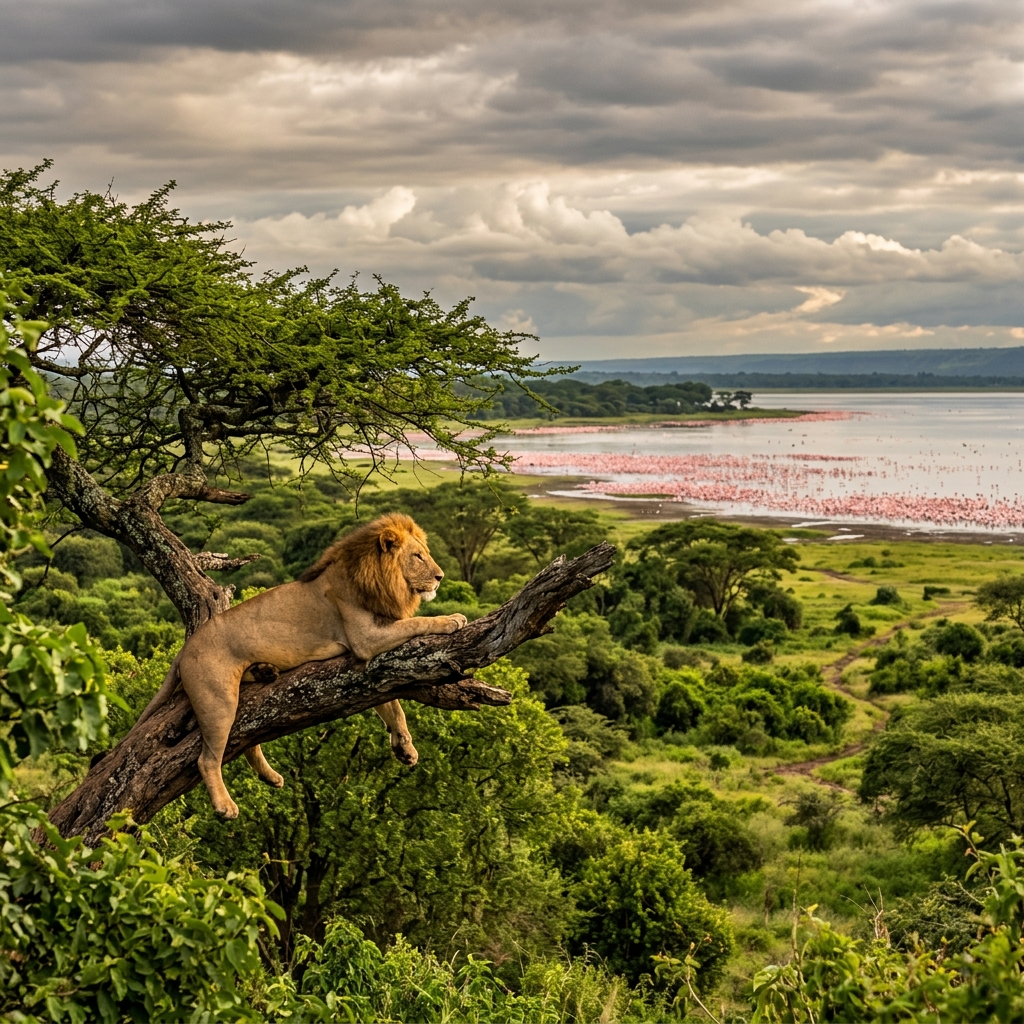
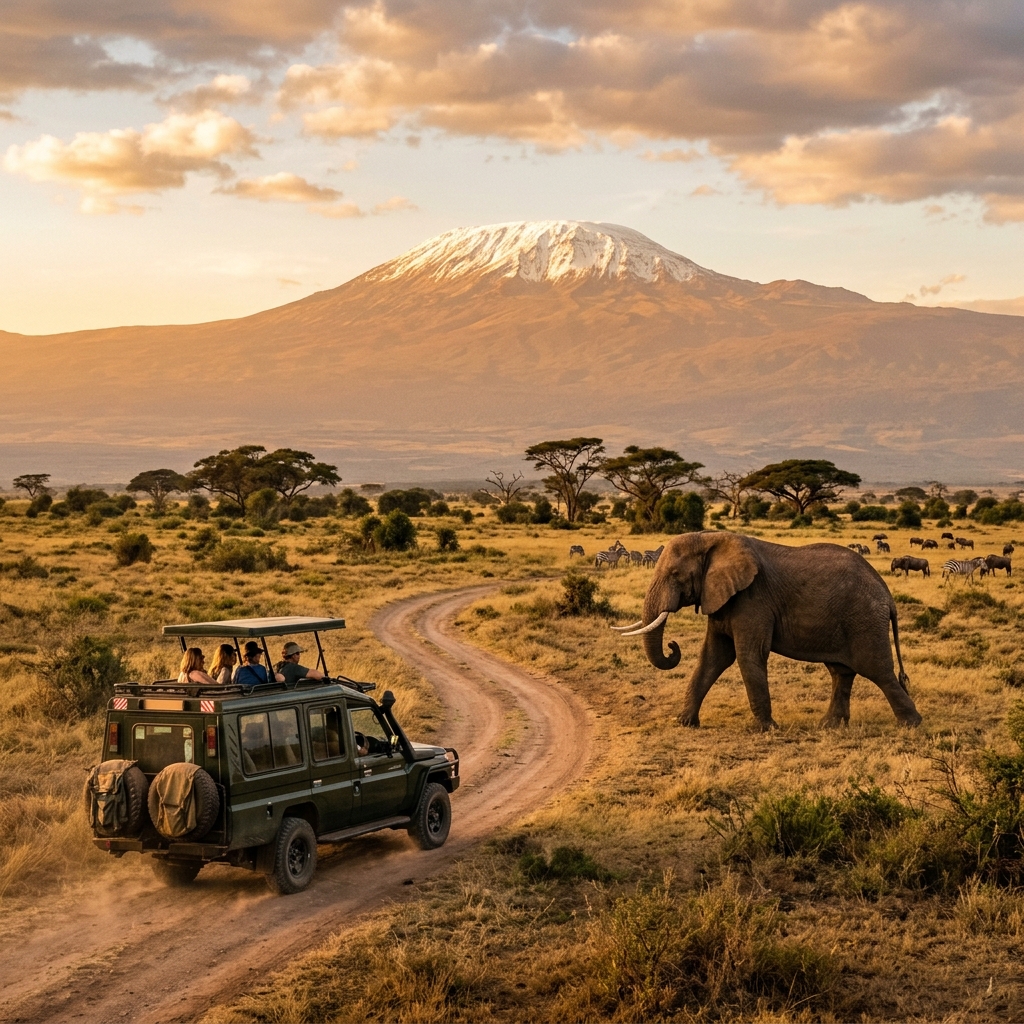
The crater floor holds the highest density of large predators in Africa, including a famous population of black-maned lions, spotted hyenas, cheetahs, and leopards. It is also one of the few places in East Africa where you can reliably see the endangered black rhinoceros. Massive tuskers (elephants), large buffalo herds, wildebeest, zebras, and hippos roam the crater floor. Due to the steep walls, giraffes and impalas are absent from the crater floor, though they live on the rim.
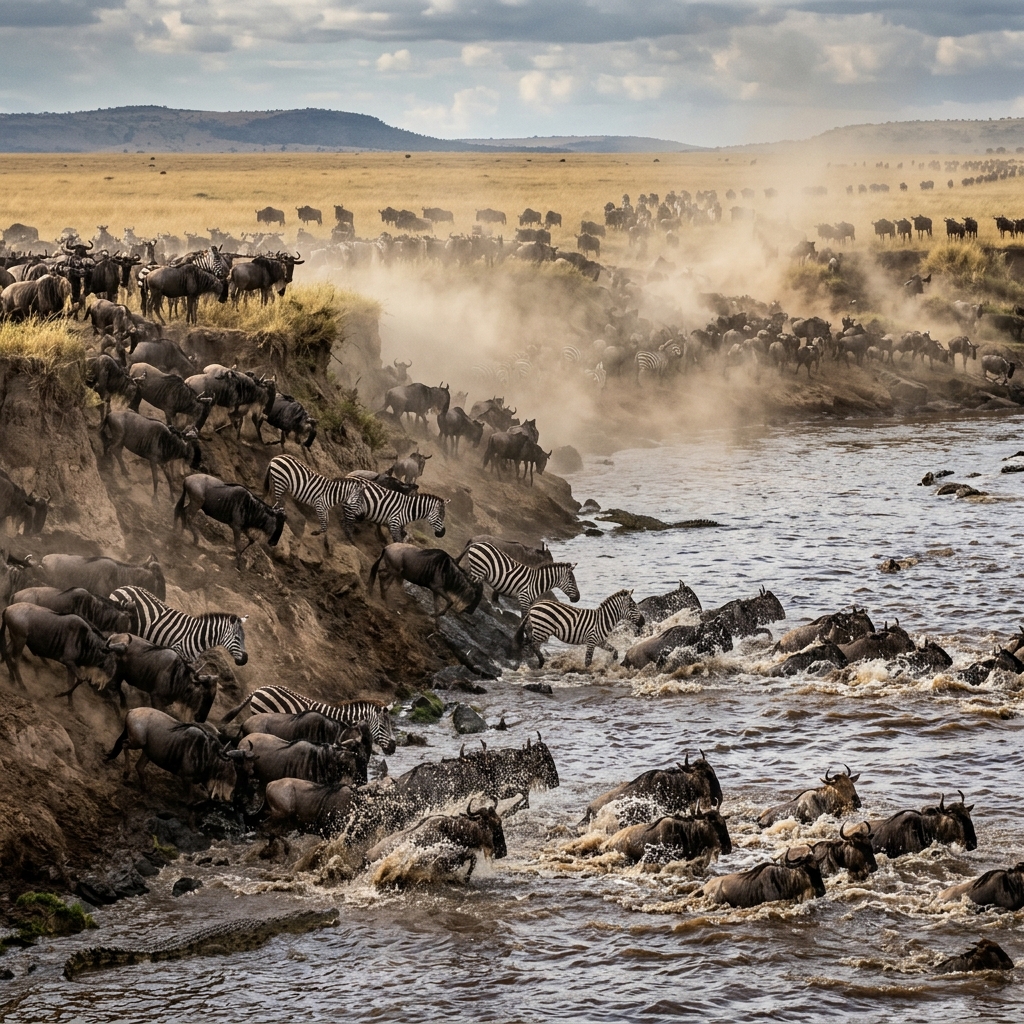
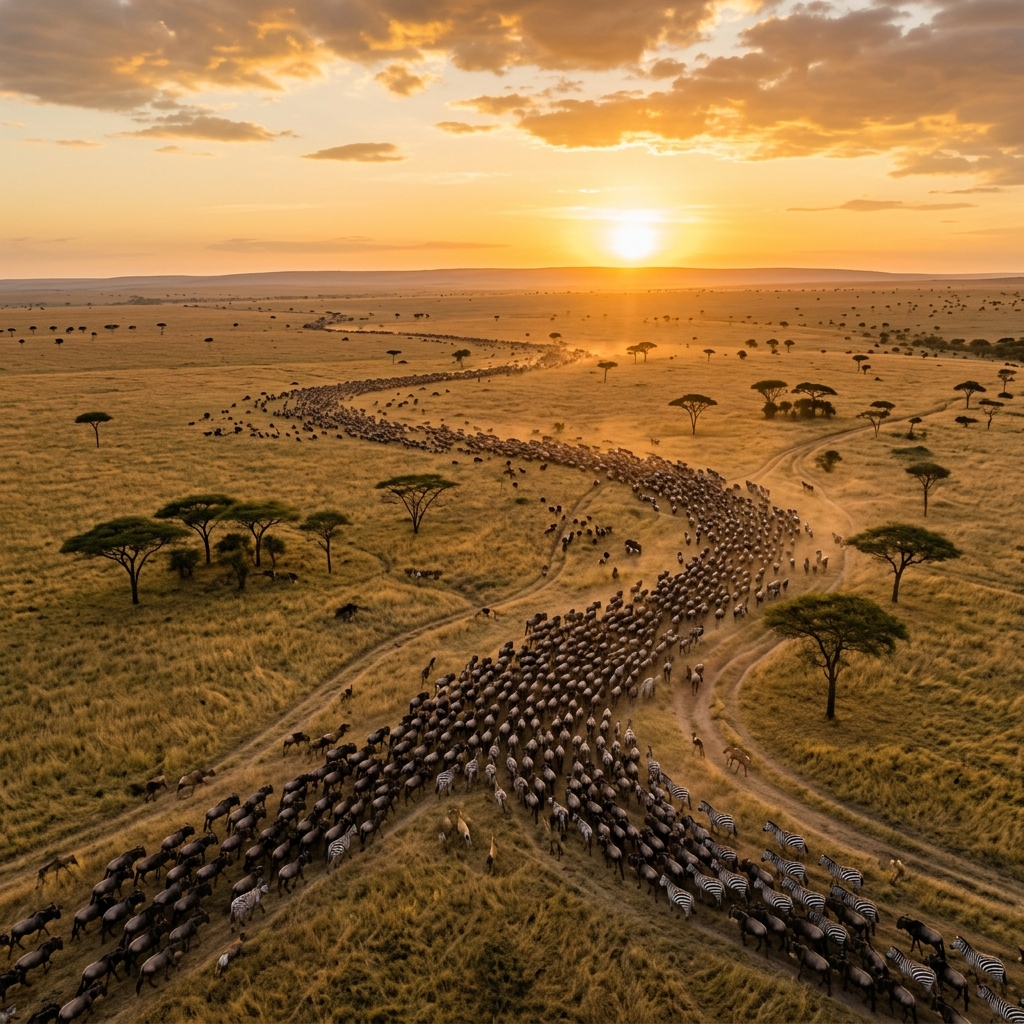
While the Great Migration herds do not descend into the Crater itself, they settle on the surrounding Ngorongoro Conservation Area's short-grass plains during the calving season (January to March). The Crater itself has a highly stable, resident wildlife population of over 25,000 large mammals that remain inside the caldera year-round, enjoying permanent water and grazing land.
The seasonal cycles significantly affect animal movements and foliage visibility. Here is a month-by-month guide:
The surrounding conservation area hosts the calving migration. Green grasslands and lots of predator action.
The wet season. The crater floor becomes lush, green, and quiet with very few tourists.
The dry season. Short grass makes wildlife exceptionally easy to spot. The crater rim can get chilly at night.
Short rains. The scenery turns emerald green, and birdlife increases.
The prime game-viewing area, featuring open grasslands, soda Lake Magadi, and swamps.
A beautiful yellow fever acacia forest on the crater floor, famous for leopard sightings and giant tuskers.
The high-altitude forested edge offering panoramic views and luxury lodges.
Nearby smaller calderas offering spectacular day-hike opportunities.
Year-round (Wildlife remains inside the caldera; dry months June-October offer minimal foliage).
UNESCO World Heritage Site (Inscribed 1979)
Northern Tanzania
Drive from Arusha (3 to 4 hours on paved roads) or fly to Lake Manyara Airstrip followed by a 1.5-hour road transfer up the Rift Valley escarpment.
Vetted recommendations from local experts, catering to range of luxury preferences.
Perched on the crater rim with opulent banana-leaf roofs and butler service.
Built from river stone and local timber, blending into the crater rim landscape.
A remote, luxury eco-camp on the wild northern edge of the rim.
Set in an acacia forest near the quiet Lemala entry road, ideal for early descent.
Browse our expert-crafted private safari itineraries visiting Ngorongoro Crater.