Southern Tanzania

Nyerere National Park — Africa's Largest Wild Reserve

Reserve Size 30,893 km²
Founded Year 2019
UNESCO Heritage Yes
Ecosystem Rufiji River Wetlands & Miombo Woodlands

About Nyerere National Park

Named after Tanzania's founding father, Julius Nyerere, this park was created in 2019 from the northern section of the historic Selous Game Reserve. It is the largest national park in Africa, offering a pristine, water-rich wilderness dominated by the massive Rufiji River and its complex network of lakes, swamps, and channels.

Wildlife of the Nyerere National Park — What Animals Will I See?

Nyerere is a critical sanctuary for the endangered African wild dog. The Rufiji River and its lakes are packed with huge numbers of hippos and crocodiles. The park supports healthy populations of elephants, buffaloes, giraffes, lions, leopards, and hyenas, plus over 440 species of birds.

Wilderness Walking & Predator Tracking

Resident wildlife is abundant around the river system. During the dry season, herds of elephants and buffaloes travel from the outer woodlands to the river.

Best Time to Visit Nyerere National Park

The seasonal cycles significantly affect animal movements and foliage visibility. Here is a month-by-month guide:

June - October

Dry season. Best for general game viewing and river boat cruises.

November - March

Hot and green. Good for birdwatching and photography.

April - May

Heavy rains. Many lodges close during this period due to flooding.

Nyerere National Park Safari Zones — Which Region Should You Stay In?

Rufiji River

The lifeblood of the park, used for boat safaris and wildlife viewing.

Lake Nzerakera & Lake Siwandu

Scenic oxbow lakes popular for boat cruises.

Beho Beho Area

Grassy hills, hot springs, and the final resting place of explorer Frederick Selous.

Destination Details

Best Months To Visit

June to October (Dry season brings animals to lakes and rivers; boat safaris are excellent).

UNESCO Conservation

UNESCO World Heritage Site (Part of Selous)

Circuit Area

Southern Tanzania

How to Get to the Nyerere National Park

Fly from Dar es Salaam (45 minutes) or take a 5-to-6-hour drive.

Best Nyerere National Park Safari Lodges and Camps

Vetted recommendations from local experts, catering to range of luxury preferences.

Ultra-Luxury Lodge

Sand Rivers Selous

Luxurious open-fronted stone cottages overlooking the Rufiji River.

Ultra-Luxury Lodge

Beho Beho

Nestled in the cooler highlands, famed for its guided walks.

Premium Camp

Siwandu Camp

Located on the shores of Lake Nzerakera, offering excellent boat safaris.

Classic Tented Camp

Lake Manze Camp

A rustic, high-quality camp where elephants regularly wander between the tents.
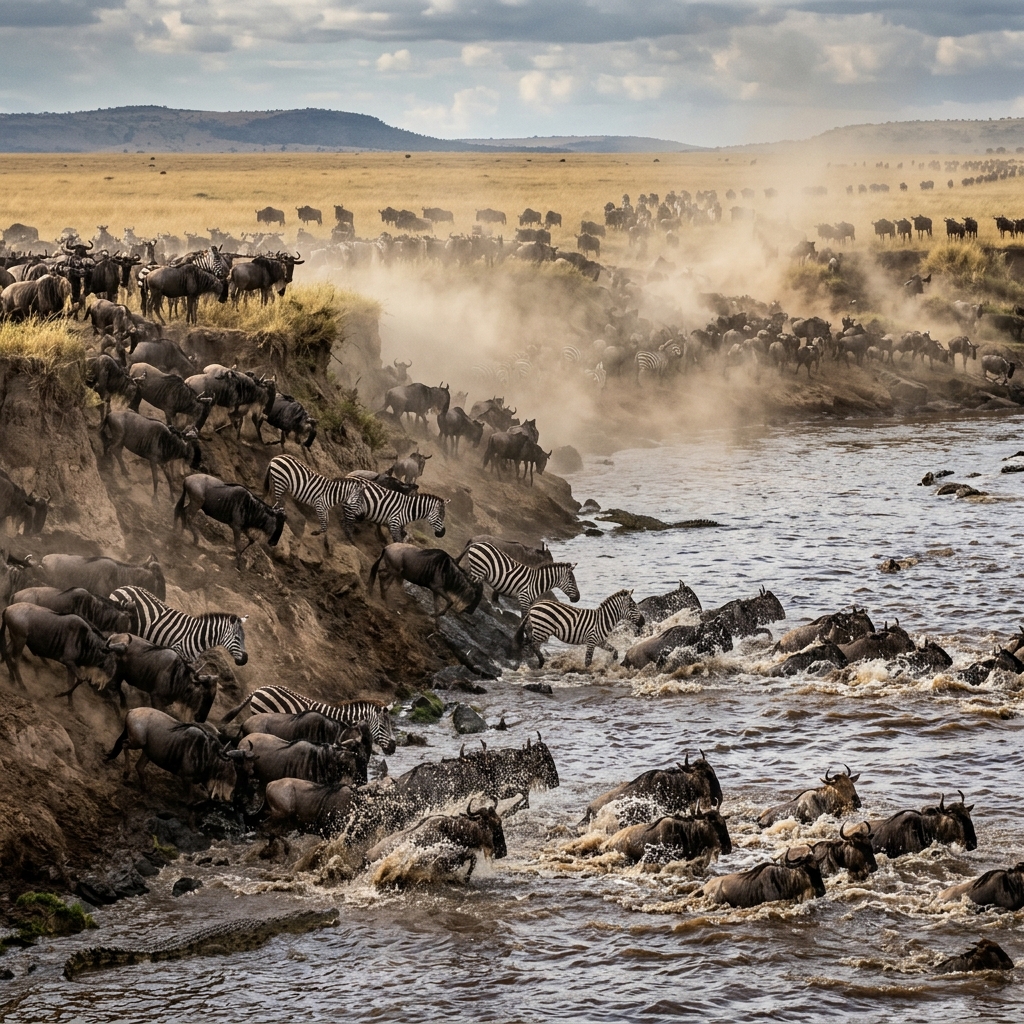
Photos of Nyerere National Park

Nyerere National Park

Nyerere National Park National Park FAQs

You can drift close to bathing elephants, hippos, and crocodiles, which is impossible in northern parks.
Nyerere was carved from the northern part of the Selous Game Reserve, which was set aside for photographic tourism.
Yes, walking safaris with armed rangers are a highlight of Nyerere.

Explore Other Tanzania Safari Destinations

Serengeti National Park

Serengeti National Park

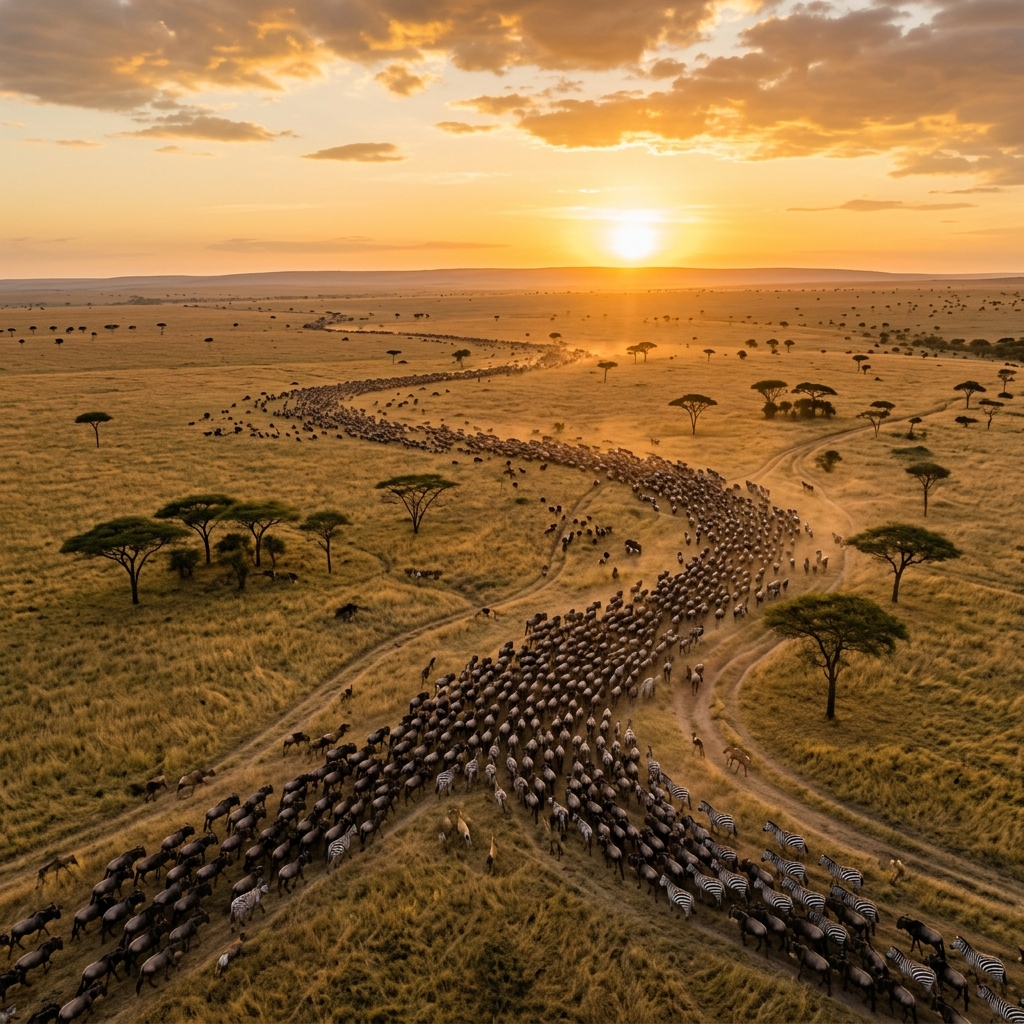
June to October (dry season, best for game drives and witnessing the Great Migration river crossings).

Discover Park →
Ngorongoro Crater

Ngorongoro Crater

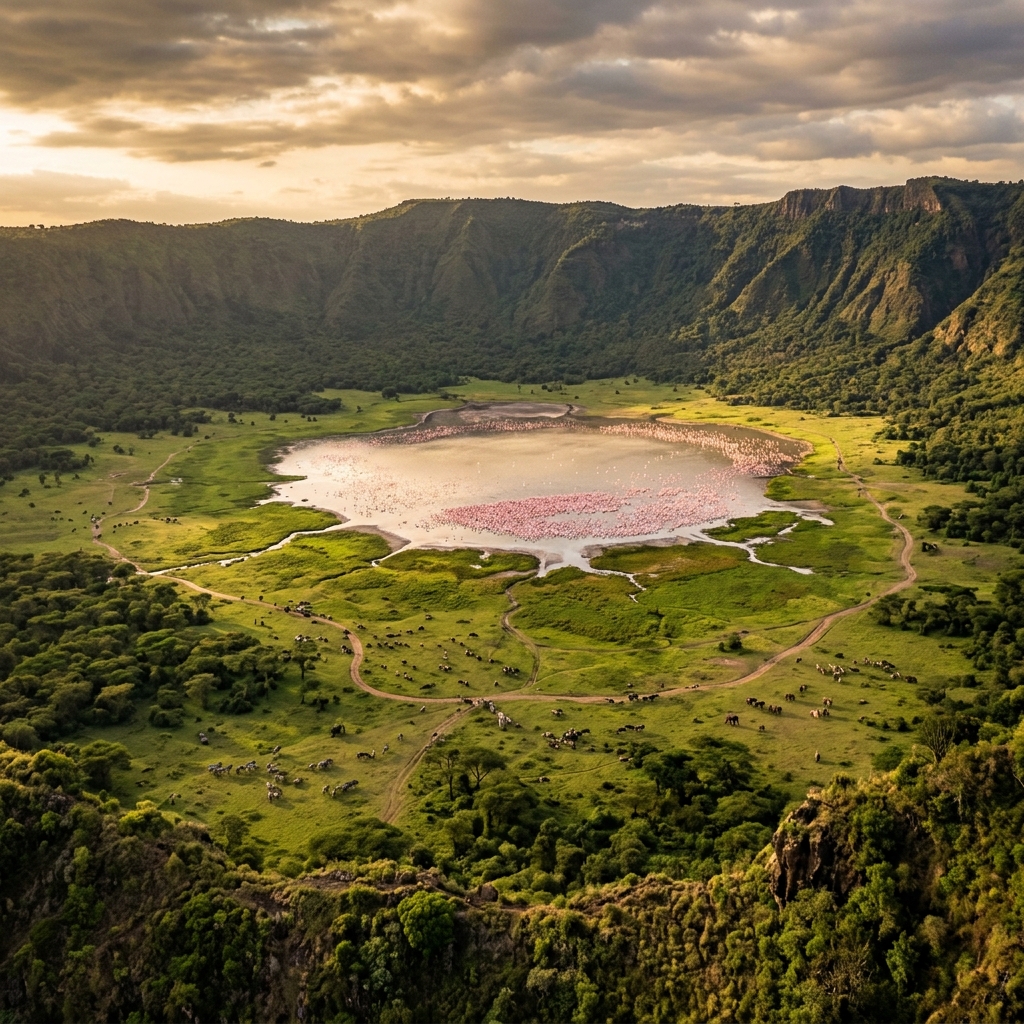
Year-round (Wildlife remains inside the caldera; dry months June-October offer minimal foliage).

Discover Park →
Tarangire National Park

Tarangire National Park

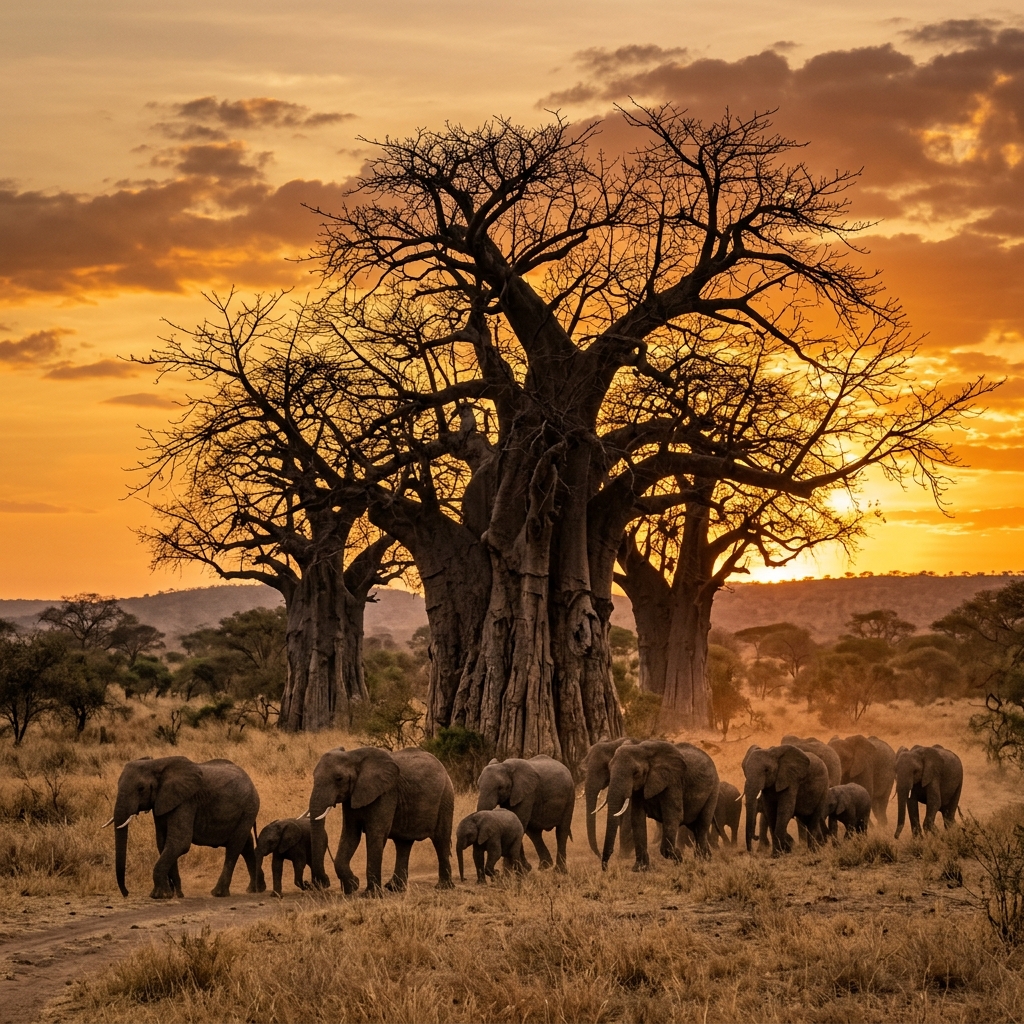
July to November (Dry season, when animals congregate around the Tarangire River).

Discover Park →
Lake Manyara National Park

Lake Manyara National Park

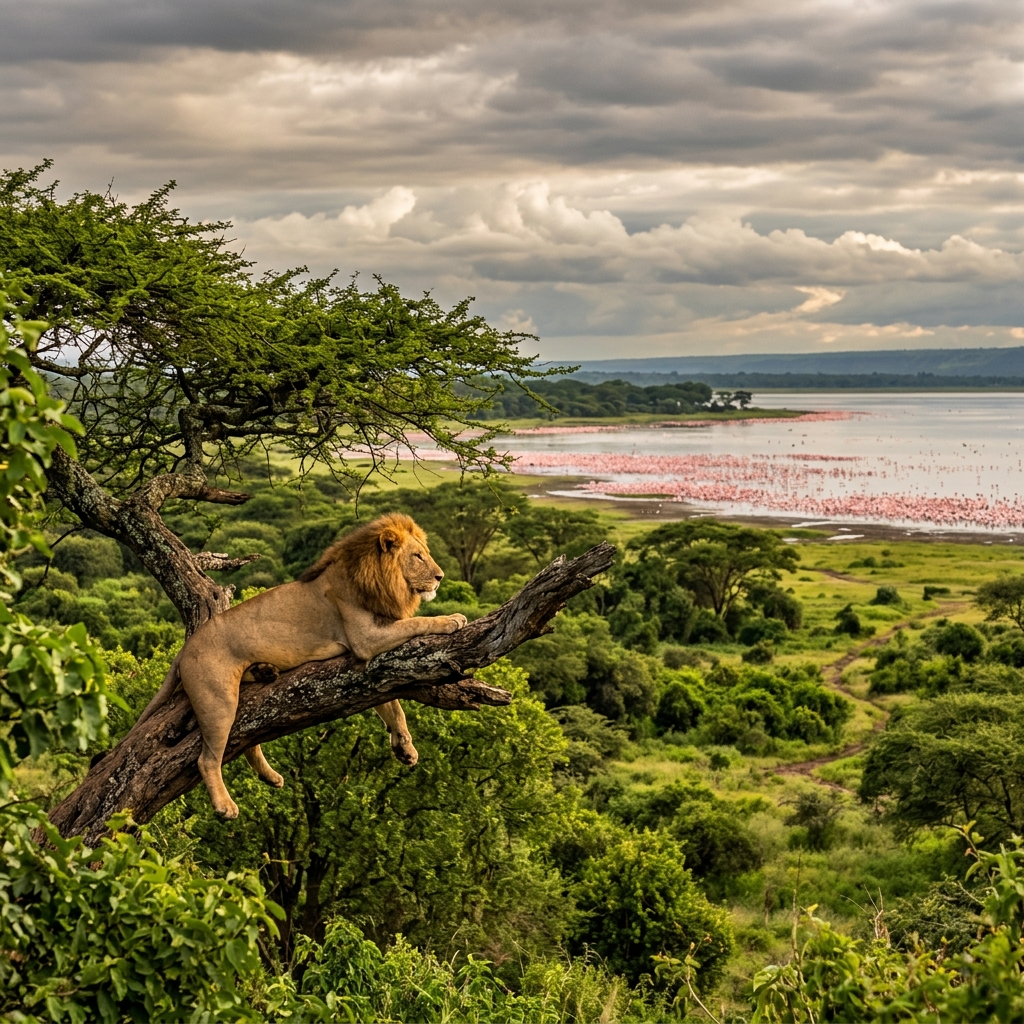
November to June (Wet season for birdwatching/flamingos); July to October (Dry season for game drives).

Discover Park →